2 hr 30 min
Viktualienmarkt Culinary Walking Experience
- Entry ticket
- Mobile voucher
- Valid same day
- Free cancellation
Viktualienmarkt Food Tour — Guided Tastings & Market Walks
Weisswurst before eleven, radishes cut in spirals after.
Compare fares, pick the fit — all bookings are mobile-voucher and eligible for free cancellation where shown.
2 hr 30 min
1 hr 30 min
1 hr 30 min
| Experience | Duration | Rating | Skip-the-line | Guide | Small group | Free cancel. | Price | |
|---|---|---|---|---|---|---|---|---|
|
Standard Entry
Most popular
Viktualienmarkt Culinary Walking Experience
|
2 hr 30 min | ★ 4.5 | — | ✓ | ✓ | ✓ | €43 | Book → |
|
Guided Experience
Munich Old Town Walking Tour in German
|
1 hr 30 min | ★ 4.7 | ✓ | ✓ | ✓ | ✓ | €20 | Book → |
|
Guided Experience
Historic Munich Walking Tour with Market Visit
|
1 hr 30 min | ★ 4.7 | ✓ | ✓ | ✓ | ✓ | $278 | Book → |
Hand-picked experiences loved by thousands of travelers
1.5 hours
Free Cancellation
Discover Munich's culinary soul through five authentic tastings at the historic Viktualienmarkt
2 hours
Free Cancellation
Taste your way through Munich's historic center with traditional Bavarian treats and market specialties
3 to 3.5 hours
Free Cancellation
Savor Bavaria's culinary soul through iconic dishes, historic markets, and legendary beer halls
3 hours
Free Cancellation
Taste your way through Munich's culinary heart with authentic Bavarian dishes and regional beers
1.5 to 2 hours
Free Cancellation
Turn Munich's iconic market into a playful culinary adventure with tastings and interactive challenges
2 hours
Free Cancellation
Explore Munich's iconic market on a 2-hour vegetarian tasting adventure with local treats and stories
1.5 to 2.5 hours
Free Cancellation
Explore authentic Bavarian flavors and hidden culinary gems with a local expert on this intimate food walk
4 hours
Free Cancellation
Explore Bavaria's capital with a personal guide, from historic city center to royal summer residence
Meet at the central square
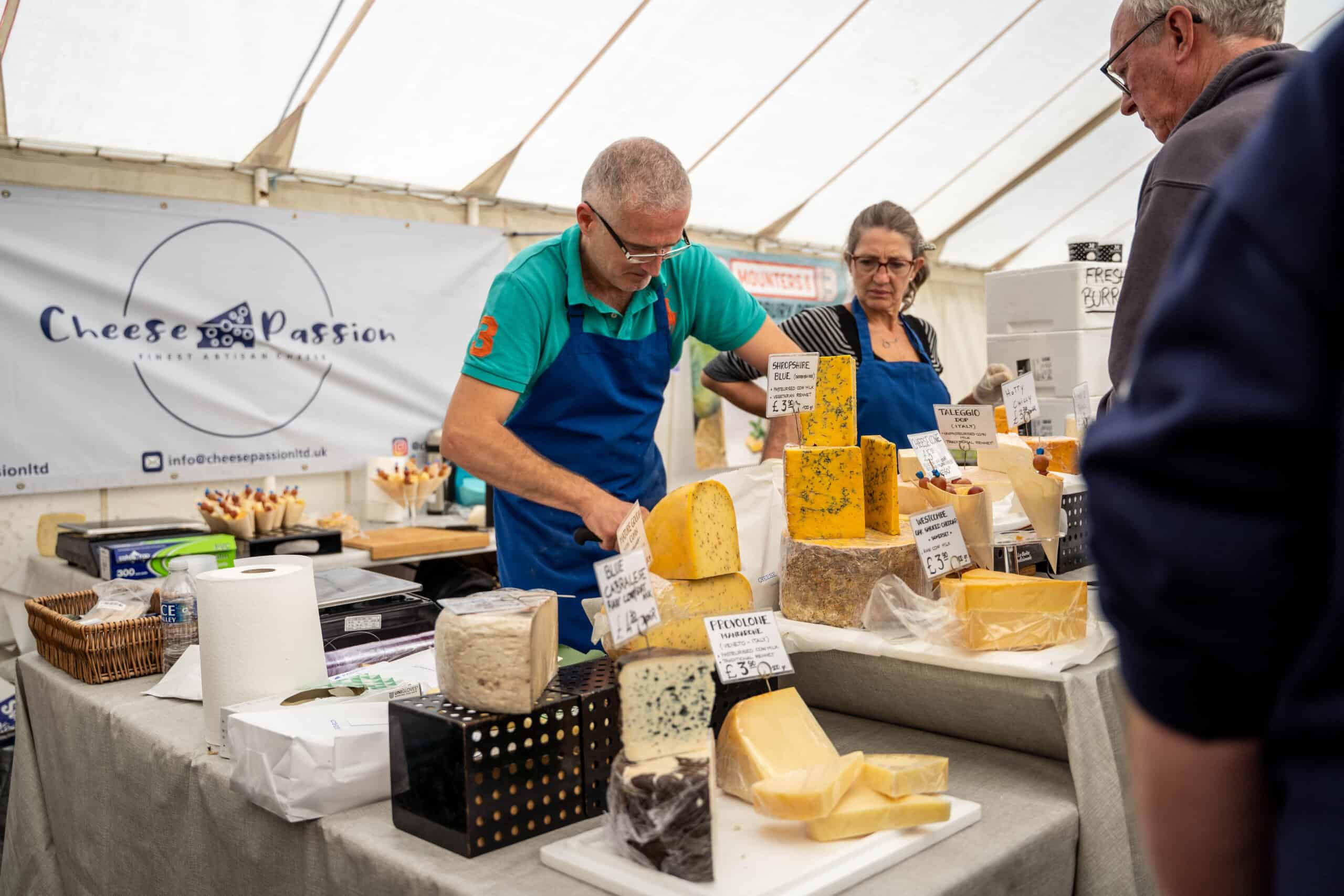
Taste local cheeses and meats
Relax under the chestnut trees
Browse independent craft stalls
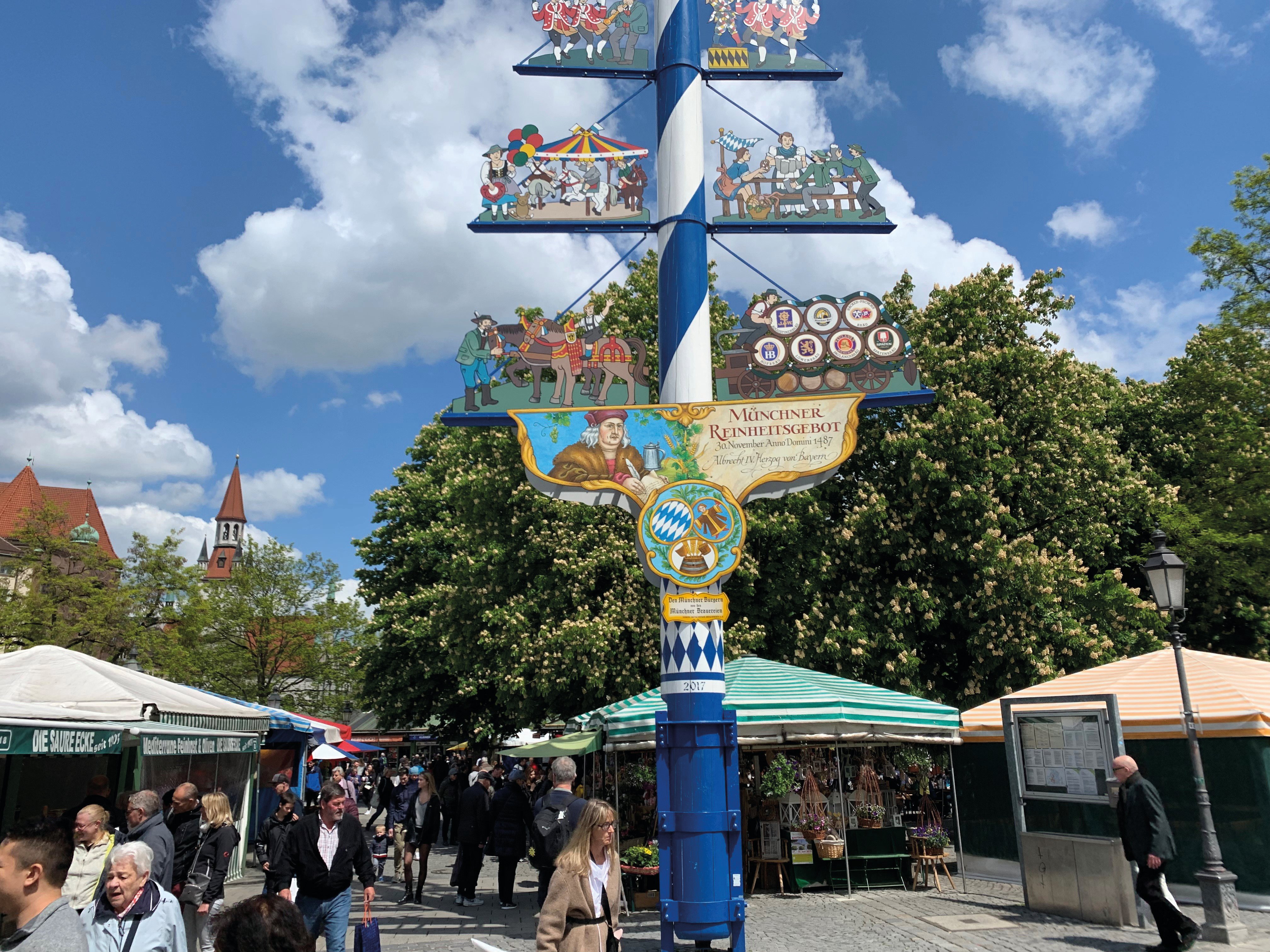
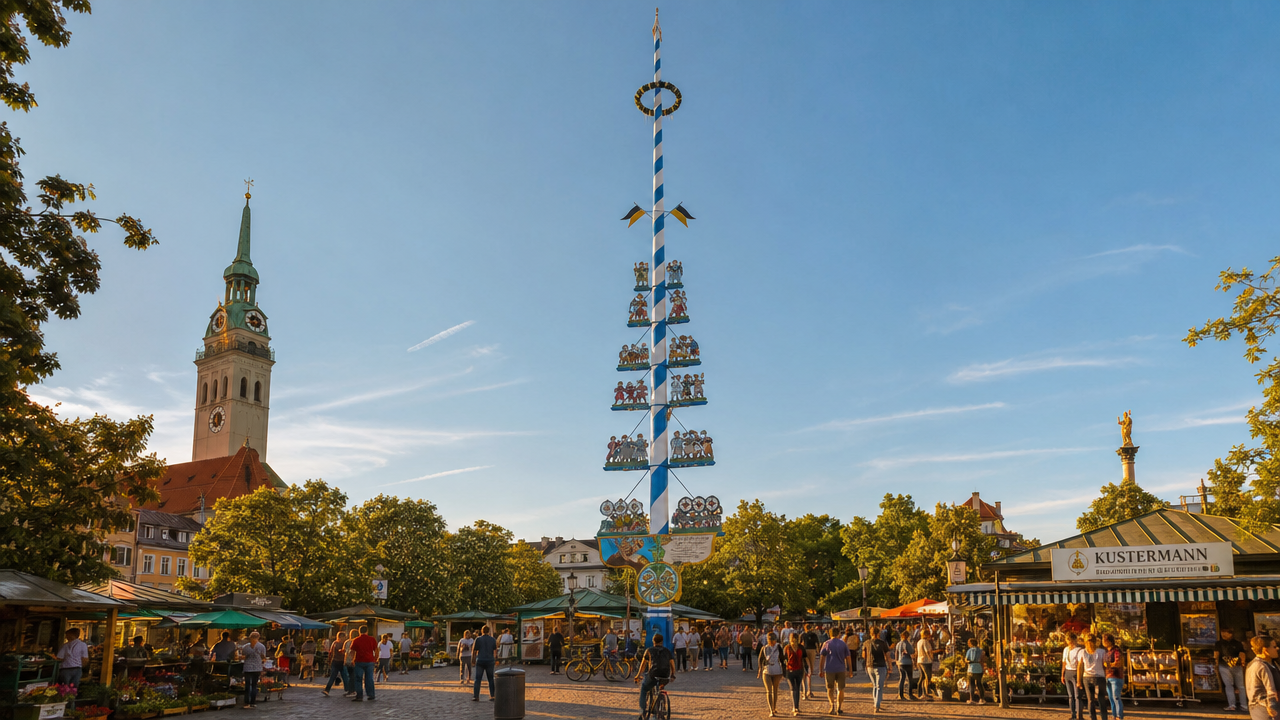
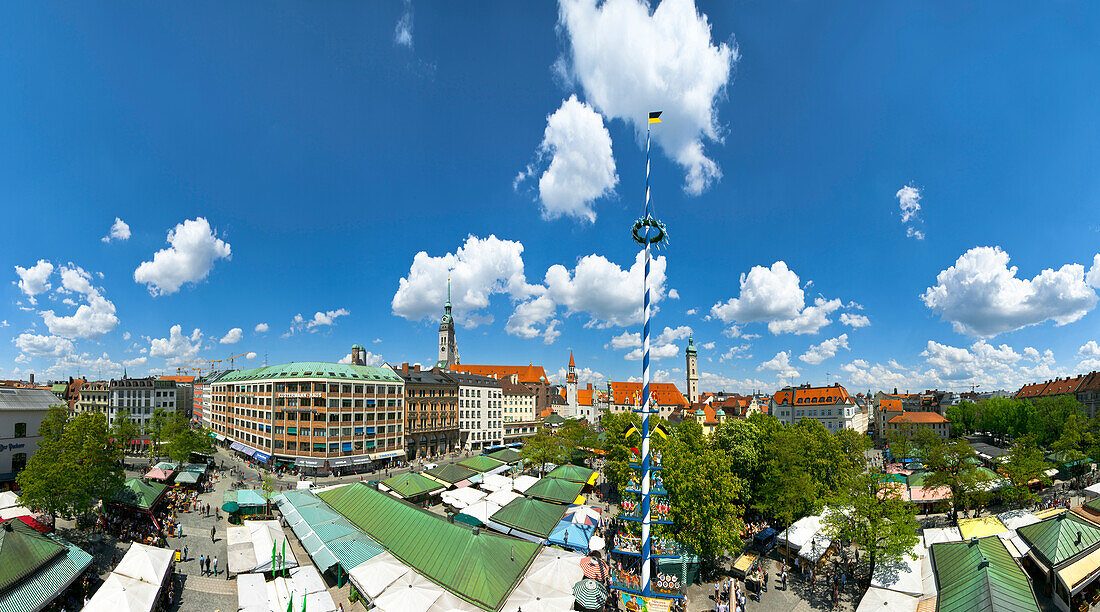
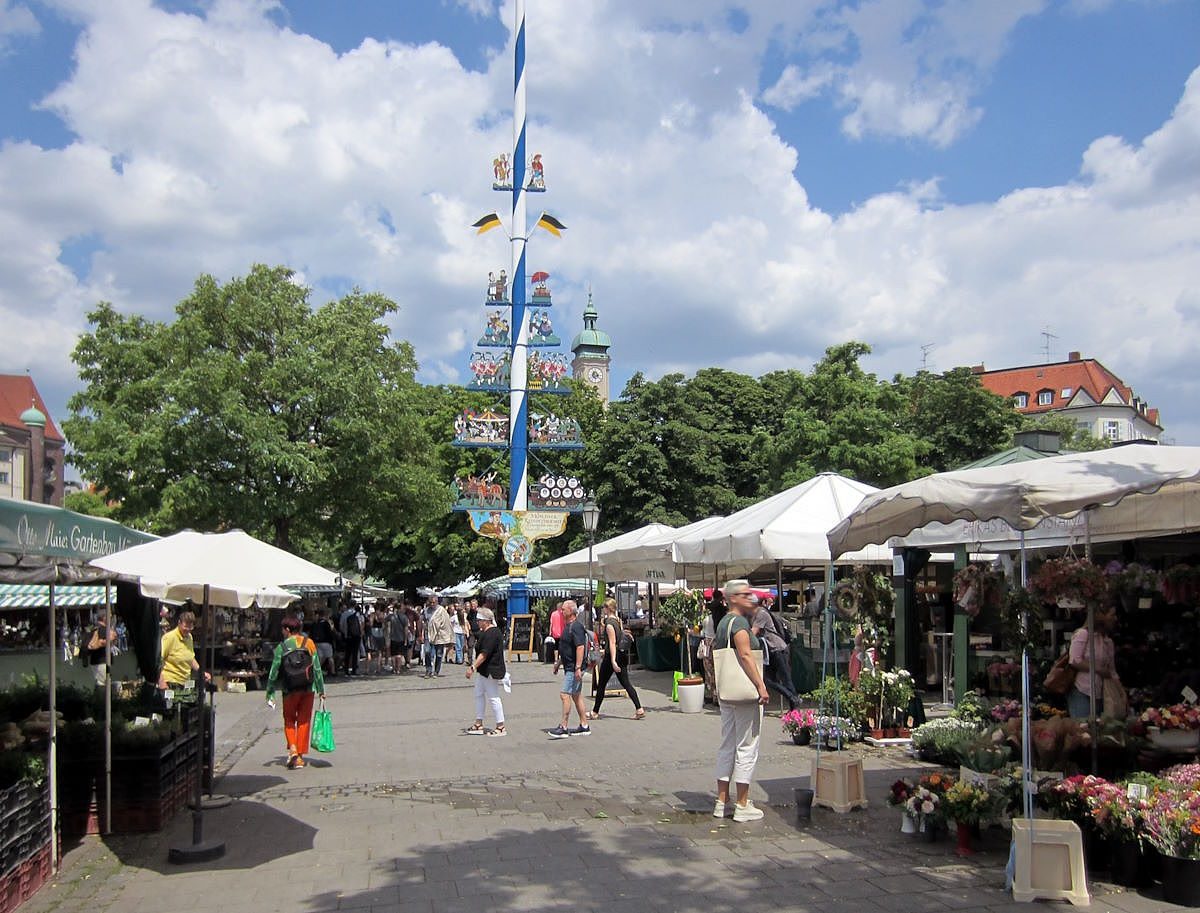
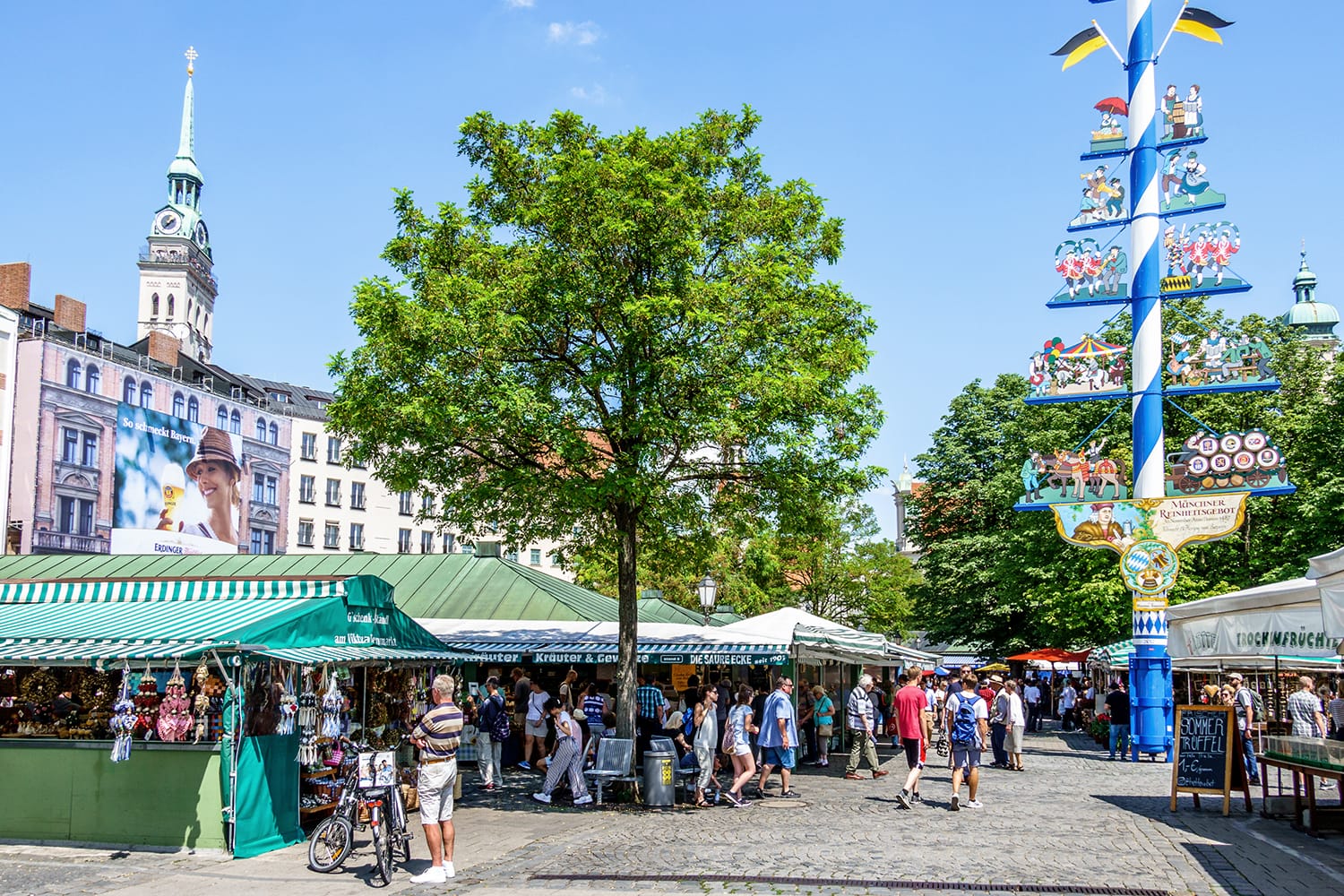
The traditional Bavarian Maypole stands in the center of the market. It features figures representing local guilds and trades, reflecting the history of the Viktualienmarkt.
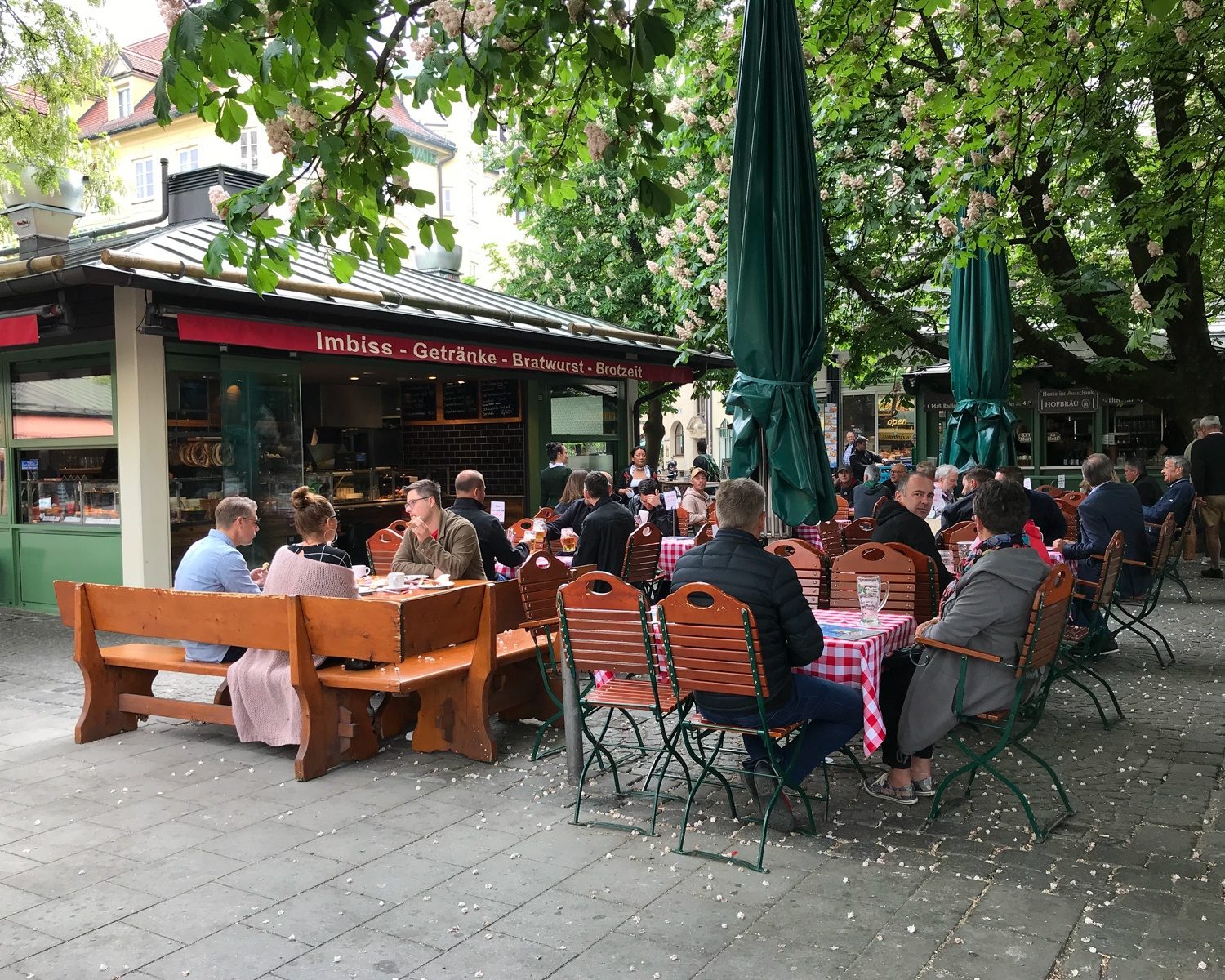
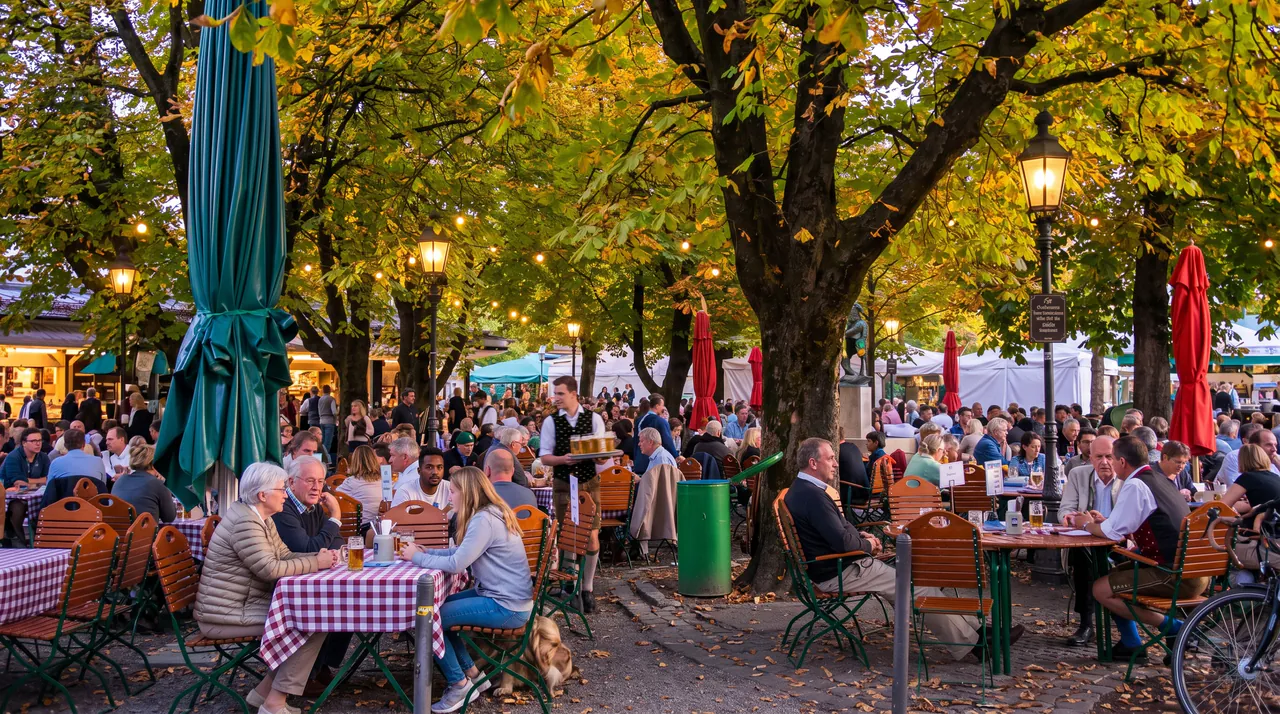
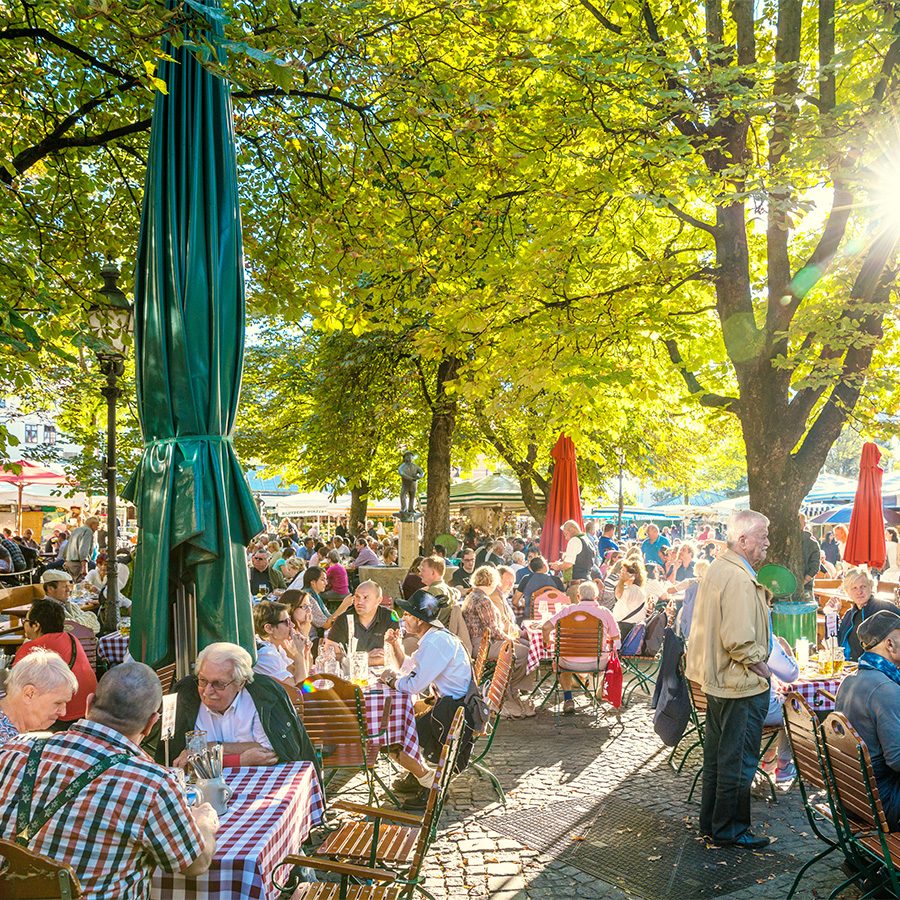
Located at the center of the market, this area serves local brews and traditional food. It holds space for hundreds of guests under mature chestnut trees.
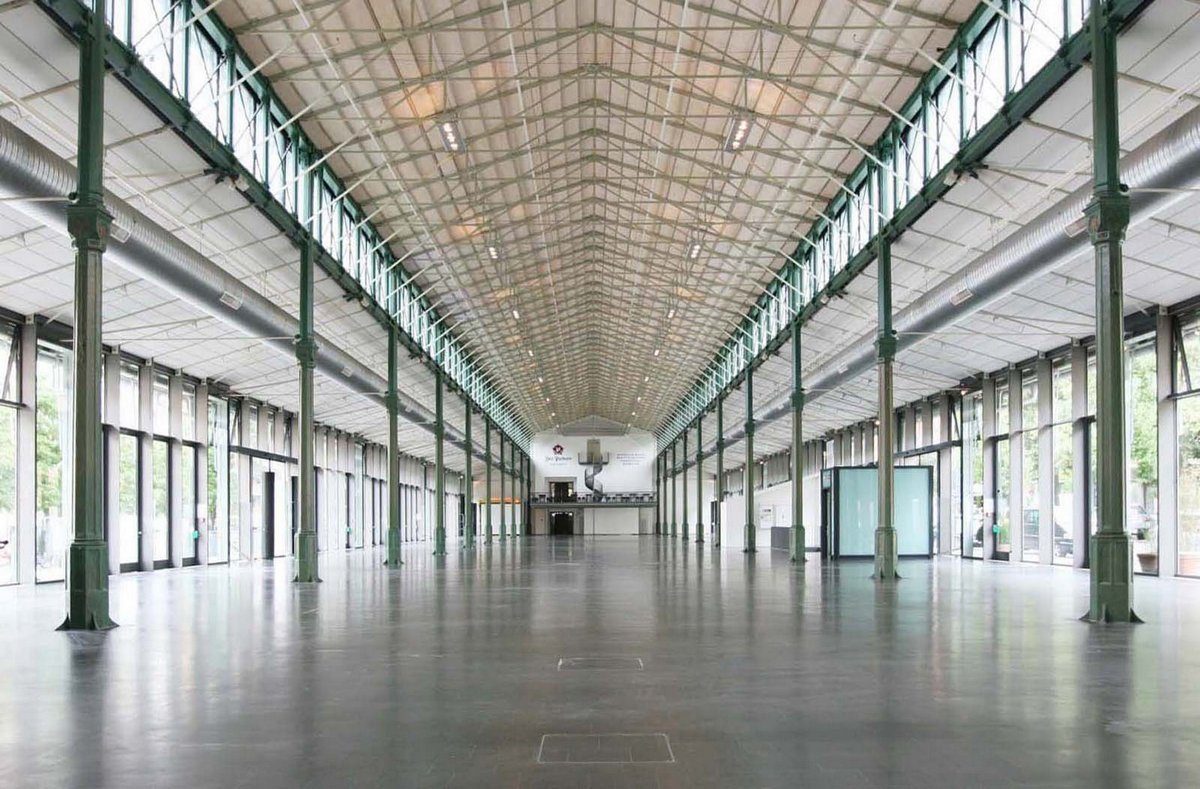
This restored historic market hall adds an architectural element to the area. It now hosts various high-end culinary vendors and specialty shops.
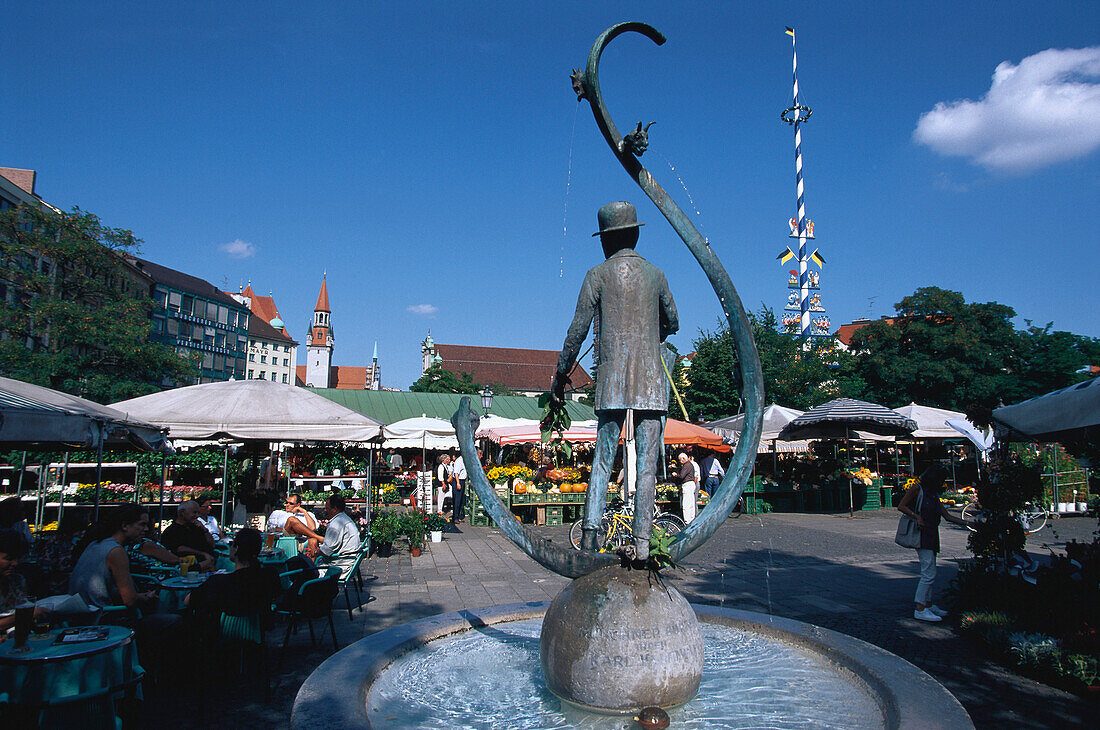
This historic fountain serves as a focal point for the market area. It is a classic example of Munich's public water features.
You arrive at Viktualienmarkt 3 between 08:00 and 11:00, when the market is at its freshest and the lunch crowd has not yet formed. Your guide finds you near the Maibaum, the blue-and-white striped pole marking the market's centre.
Entry costs nothing — 0 EUR — so the first ten minutes are spent orienting rather than queuing.
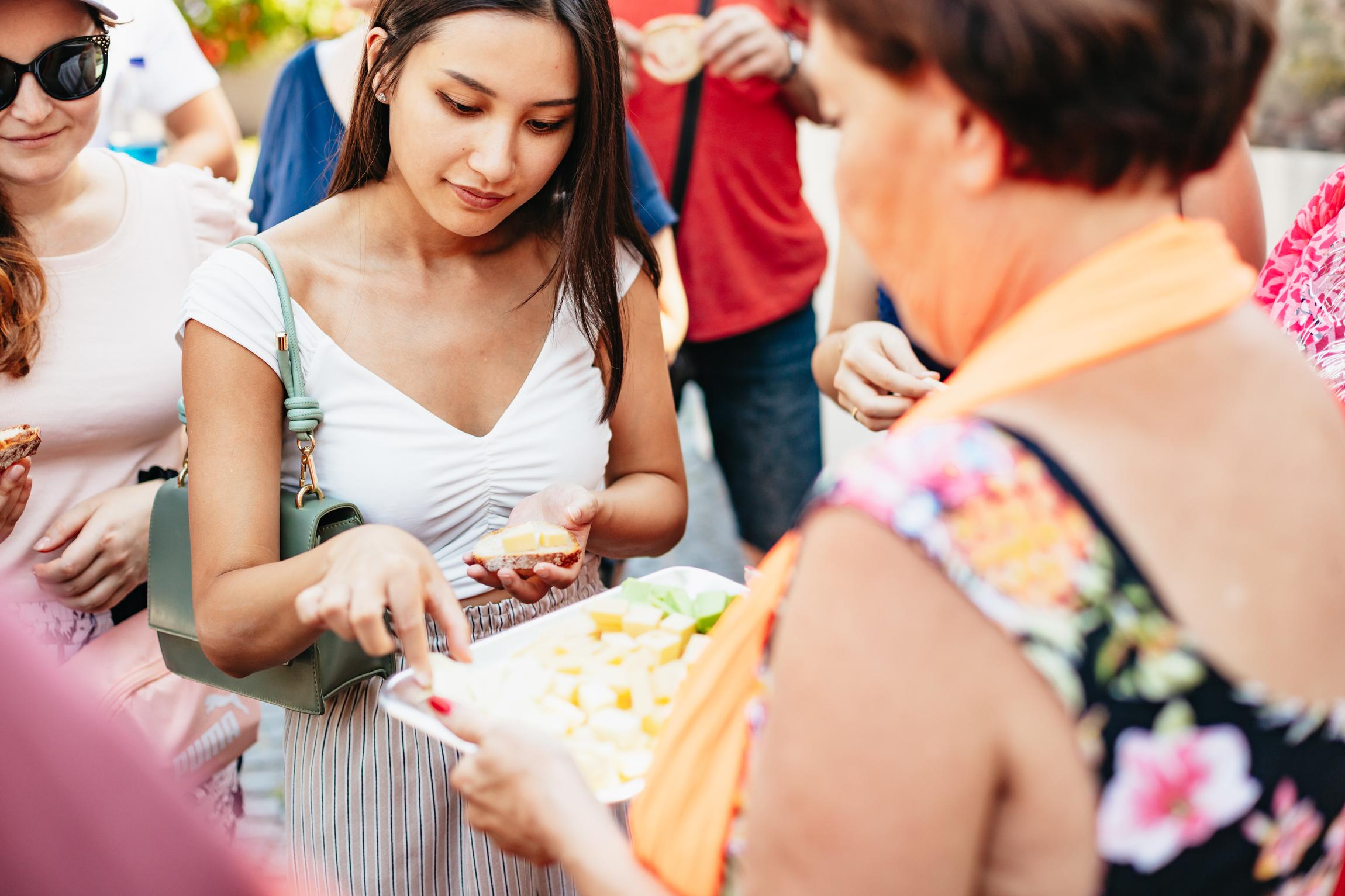
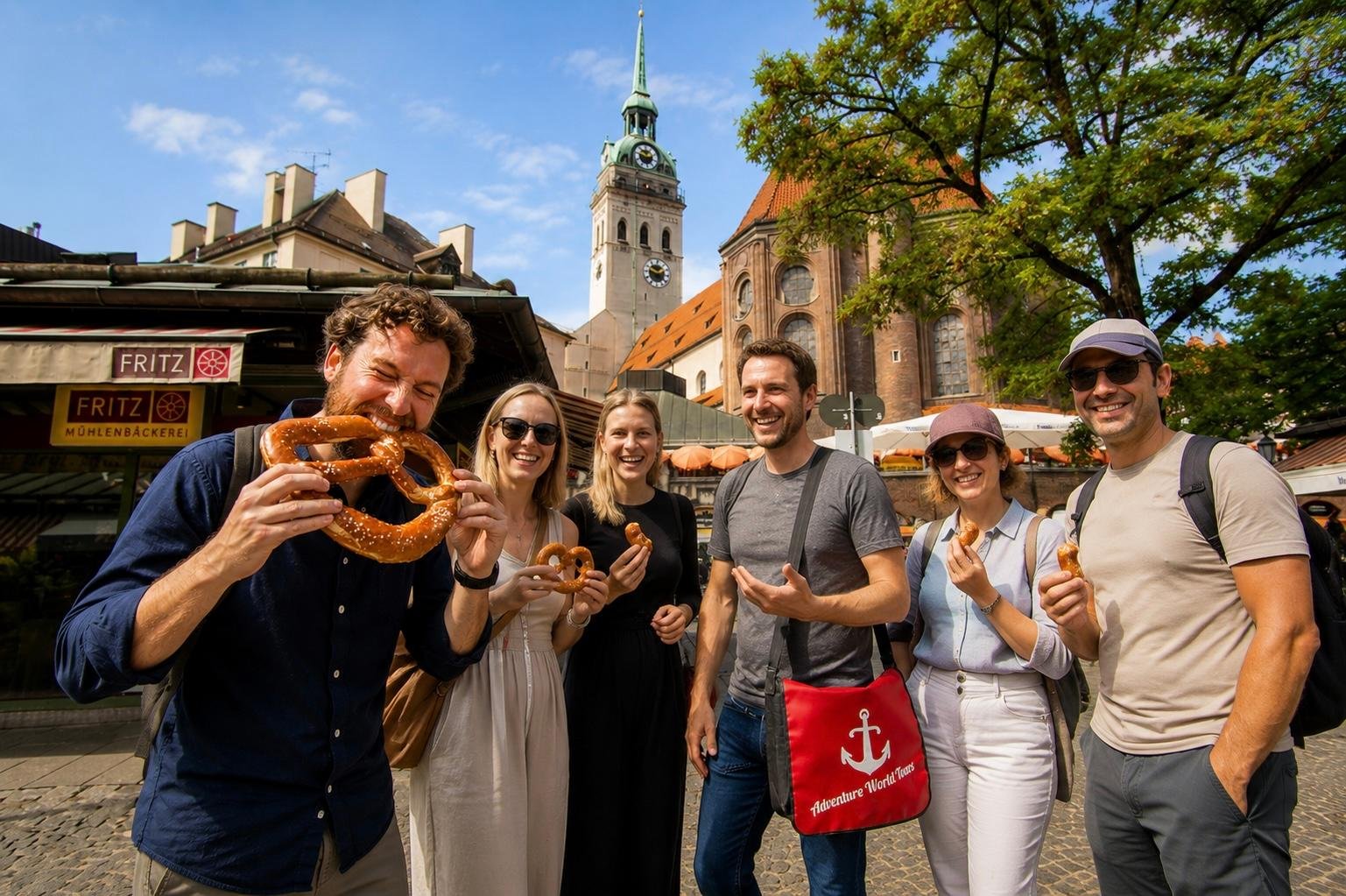
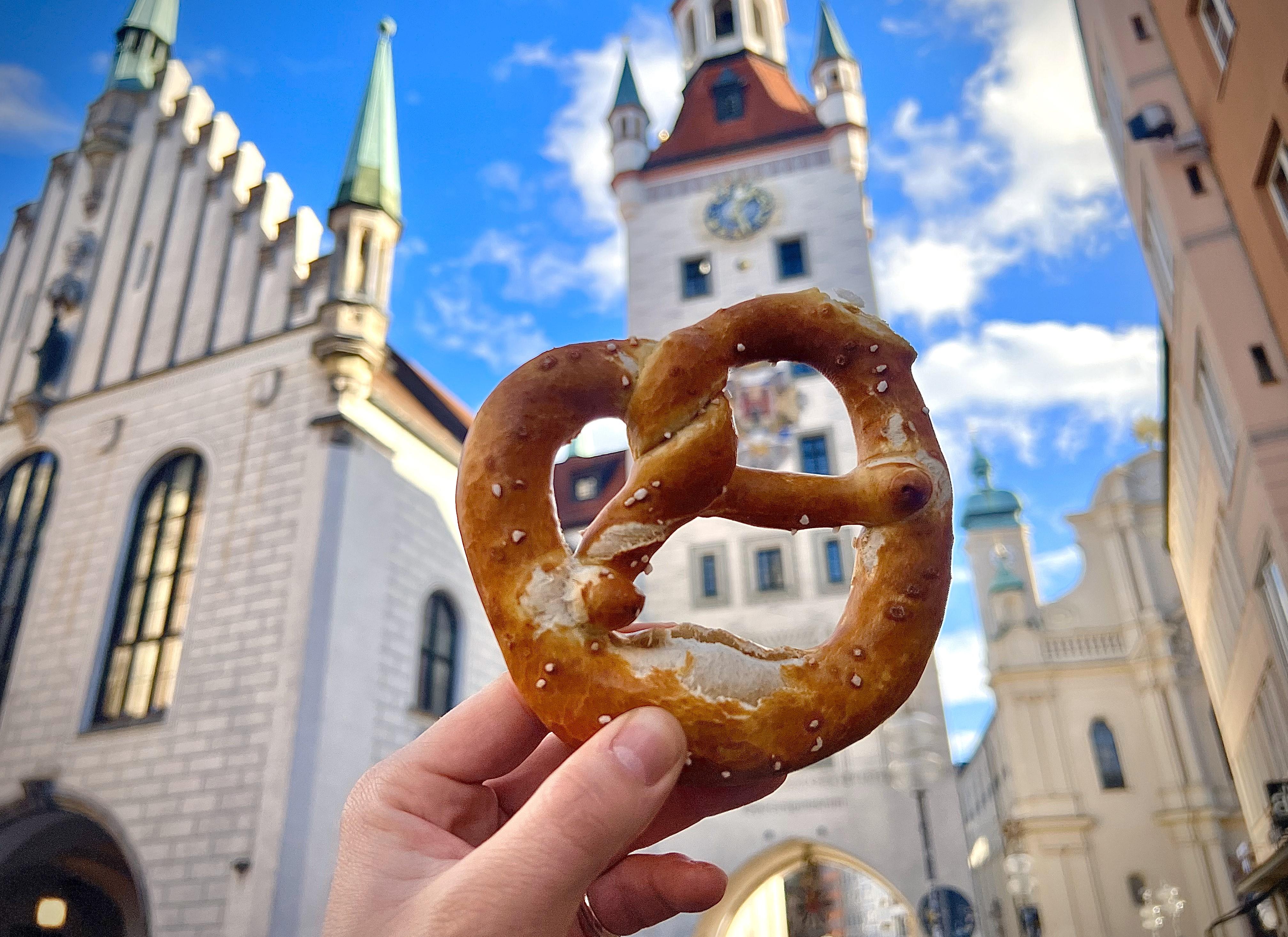
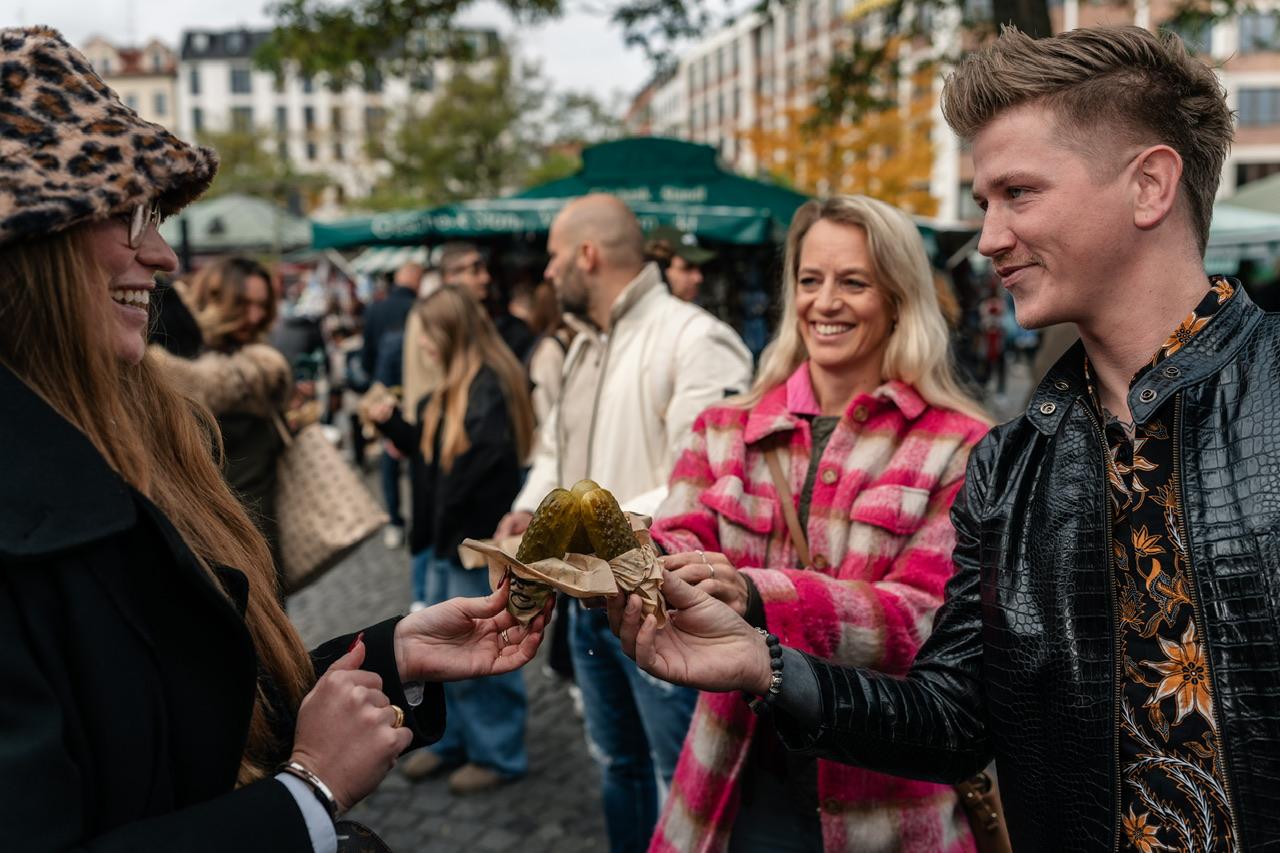
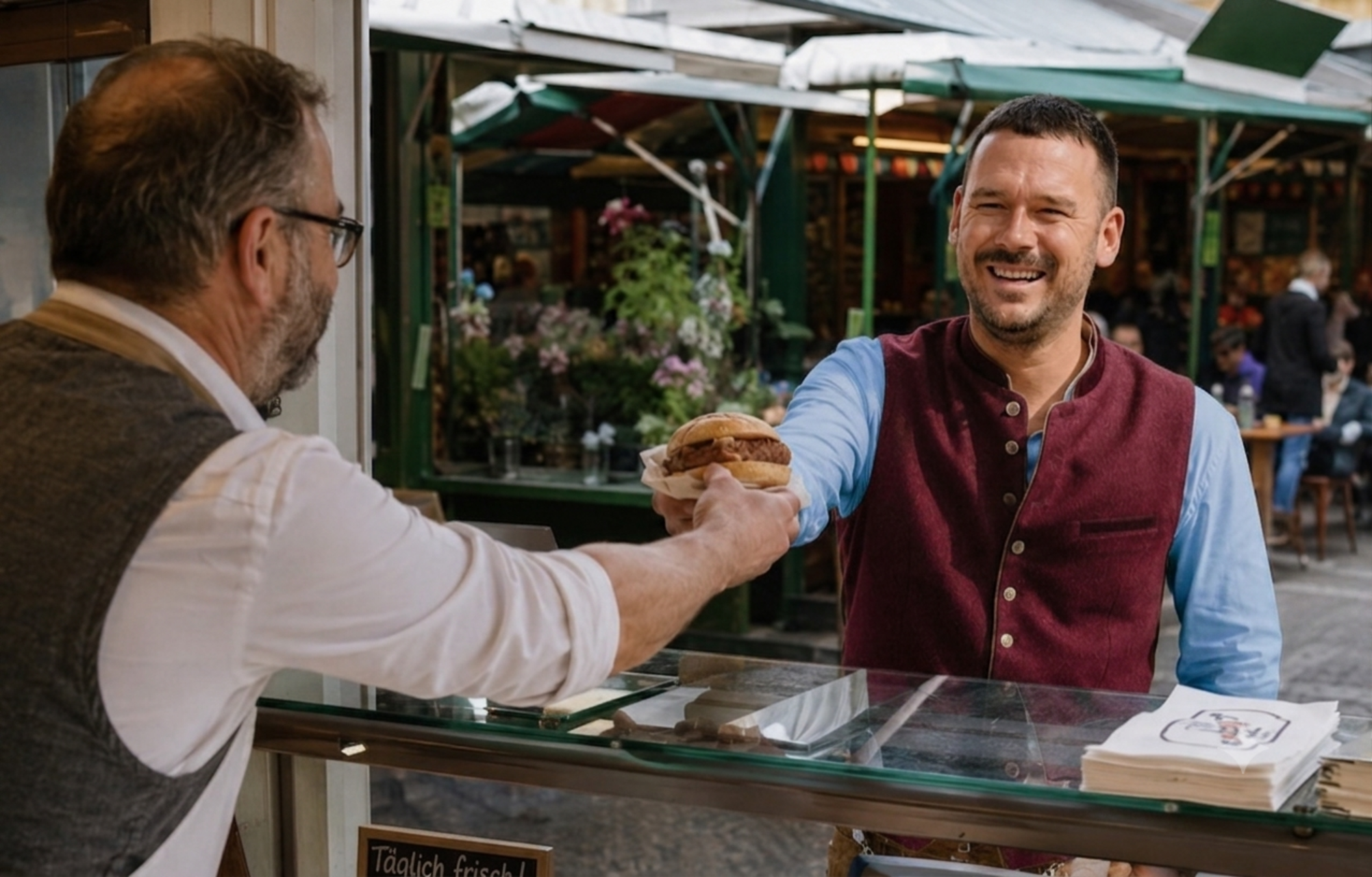
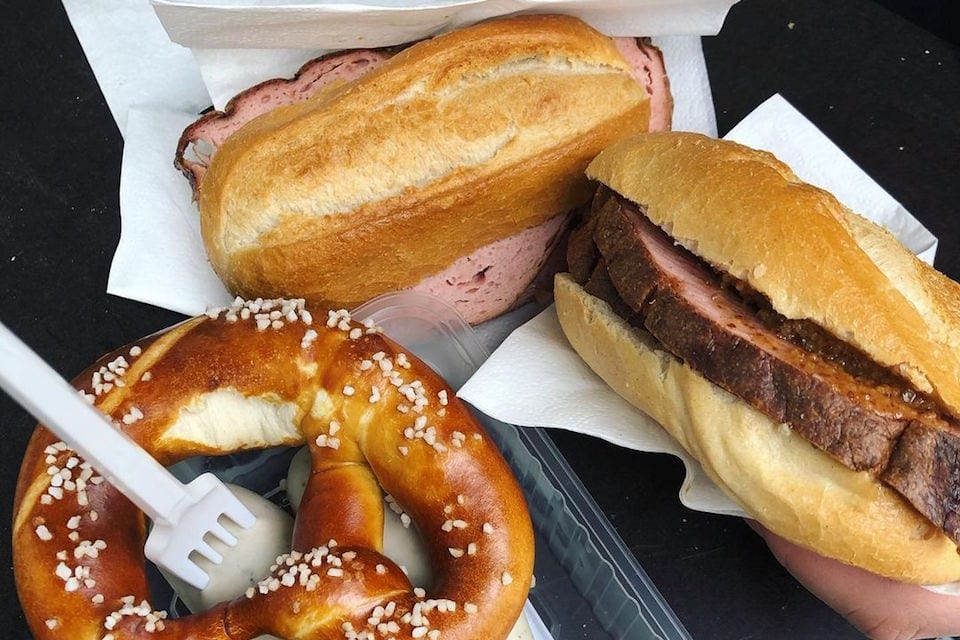
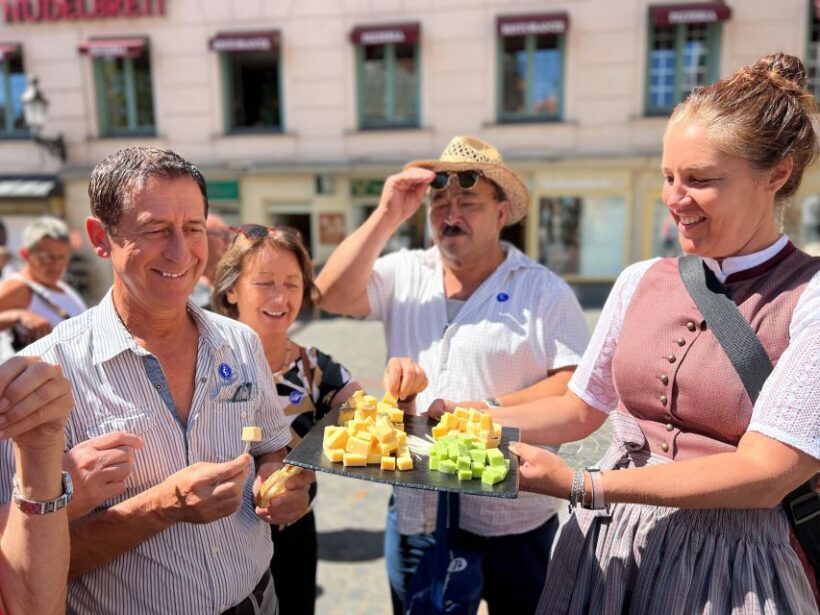
You start at a butcher's counter. Weisswurst arrives in its water, and you learn to zuzeln — to suck the sausage from its skin — before the traditional eleven o'clock deadline. You move to a cheese stall, taste an Allgäu hard cheese aged eighteen months, then take a spoon of Obatzda pressed onto dark bread. A vendor cuts a Radi into one continuous spiral in under twenty seconds while you watch.
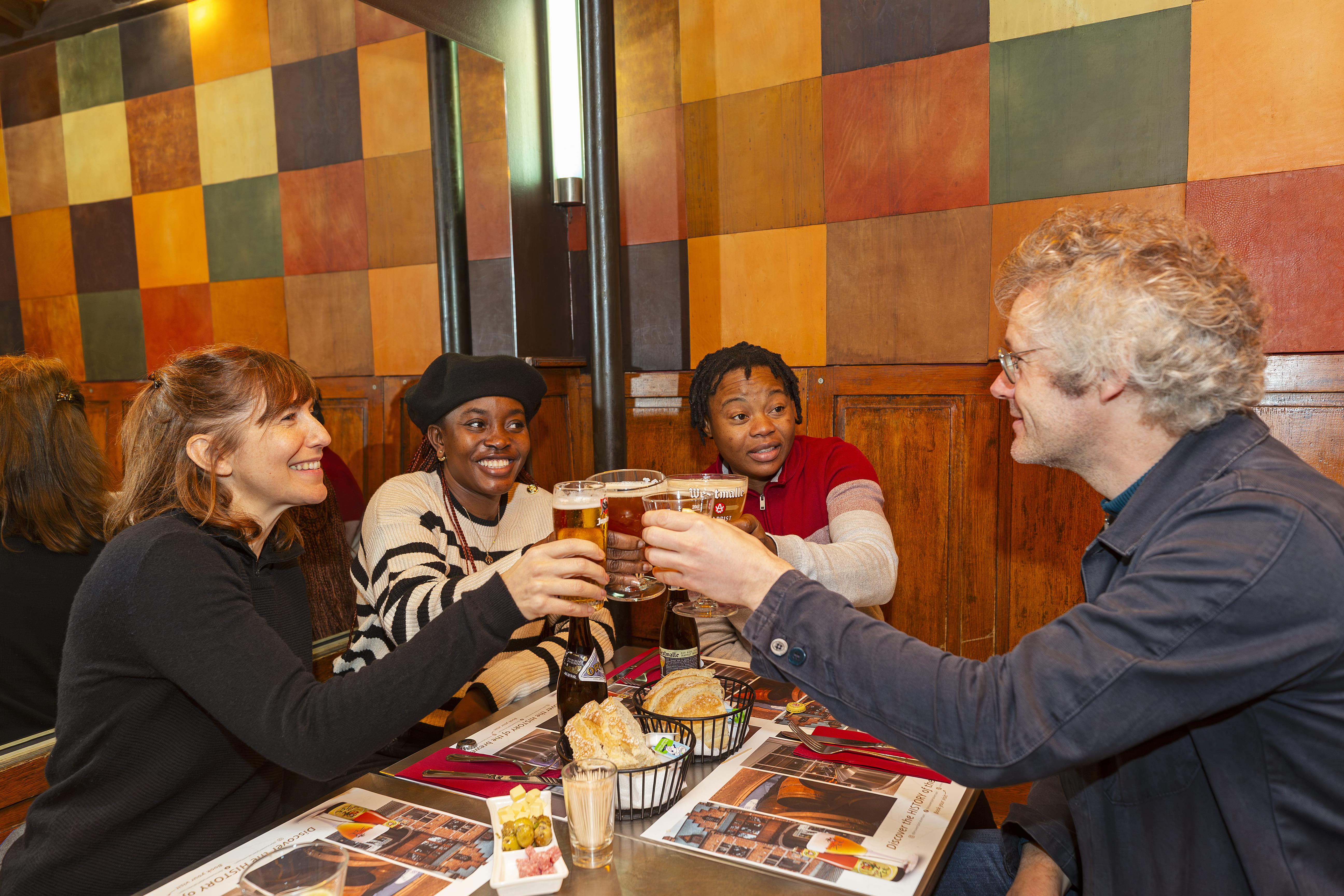
By the fourth stop you are at the honey and spice counters near the eastern edge, where jars are opened for you and mustard is measured onto a wooden paddle. A viktualienmarkt food tour usually closes under the chestnut trees of the Biergarten, where the group sits and compares notes.
You finish with time left. Stalls trade until 20:00 Monday through Saturday, so you retrace two counters, buy what you liked, and carry it out. Any munich viktualienmarkt food tour leaves you with a shopping list.
All the details about your upcoming adventure in one place
A viktualienmarkt food tour walks you through Munich's open-air produce market, stopping at family-run stalls for Weisswurst, Obatzda, aged Alpine cheeses, honey, and mustard made a few streets away. Guides explain how the Bauernmarkt grew from a grain and vegetable trade into the 140-stall square it is today, and most viktualienmarkt food tour tickets include six to eight tastings plus a seat in the chestnut-shaded beer garden. Small groups keep the pace easy, so you can ask the fishmonger or the Schmalznudel baker a question without shouting over a crowd.
The market began as an emergency measure. In 1807, Maximilian I Joseph ordered Munich's grain and produce trade moved off the overcrowded Marienplatz, and the stalls that scattered south onto the old Heiliggeistspital grounds never left.
What was meant as overflow became permanent: 22,000 square metres of open-air commerce in the middle of the Altstadt, still trading six days a week under the same municipal charter logic that governs its stall allocation today.
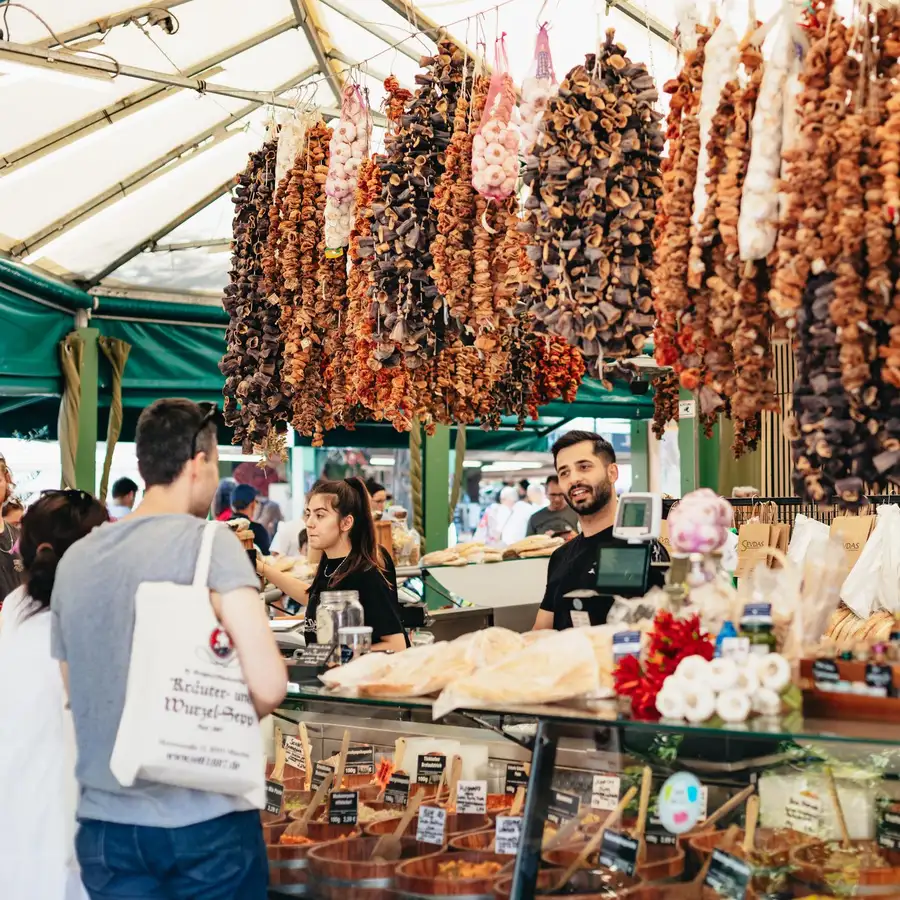
Roughly 140 traders hold pitches here, and the composition matters more than the count. Butchers, fishmongers, honey specialists, cheese affineurs, herb sellers and a dedicated Kräuterhäusl operate beside flower stands and a Biergarten shaded by chestnut trees. Stall tenancies pass through families across generations, which is why a Münchner Viktualienmarkt gourmet food tour tends to be structured around named vendors rather than product categories. A munich viktualienmarkt food tour typically threads between the Maibaum, the six fountains honouring Bavarian folk performers, and the low green-painted kiosks that have defined the market's visual grammar since post-war reconstruction.
The architecture is deliberately modest. There is no market hall, no glass roof, no monumental gate — the Viktualienmarkt is a plan rather than a building, organised into loose quarters where fish, flowers, and delicatessen goods cluster by trade. The 1972 rebuilding after wartime damage preserved this open scheme instead of enclosing it, and that decision explains the market's peculiar civic texture: it functions simultaneously as a working grocery for central residents and as one of Munich's most-visited landmarks.
A viktualienmarkt food tour tour reads that texture as a curriculum. Obatzda, Leberkäse, Radi cut in a single unbroken spiral, Bavarian sweet mustard, alpine hard cheeses aged in Allgäu cellars, and the honey and schnapps counters that anchor the market's eastern edge all belong to a regional food culture that predates tourism entirely. Viktualienmarkt food tours framed as a viktualienmarkt gourmet food tour lean toward small producers; a viktualienmarkt food tasting tour usually spreads across a wider set of stalls.
Entry costs nothing. The market is free entry, 0 EUR, and open 08:00–20:00 Monday through Saturday, closed Sunday, at Viktualienmarkt 3, 80331 München. Guided viktualienmarkt food tour tickets buy access to a vendor's attention and a translated explanation — not to the ground itself, which has been public for more than two centuries. That distinction is the honest measure of what a guided walk here is worth.

The Viktualienmarkt is a plan rather than a building — organised by trade, roofed only by chestnut trees.
Casual outdoor attire is recommended for any viktualienmarkt food tour. Comfortable footwear is essential due to the cobblestone surfaces.
Large backpacks can be cumbersome in narrow market aisles during a viktualienmarkt food tour. Keep personal belongings secure as the area is open to public foot traffic.
Handheld photography of stalls and produce is permitted throughout the viktualienmarkt food tour. Professional equipment requiring tripods may disrupt market operations.
The open-air environment is welcoming for children participating in a viktualienmarkt food tour. Parents should supervise closely near high-traffic delivery zones.
The flat, paved surface of the market allows for wheelchair and stroller access during a viktualienmarkt food tour. Some stalls have high counters that may require assistance.
The Viktualienmarkt is a culinary destination, and your viktualienmarkt food tour will involve sampling items at local vendors. Always discard waste in provided receptacles to maintain market cleanliness.
Opening Hours
08:00–20:00 (Mon-Sat)
Address
Viktualienmarkt 3, 80331 München, Germany
Accessibility
Level terrain throughout the main market square
Arrival
08:00–11:00
Storage
Limited facilities on-site
Navigation
Use the central market square layout
Public transport · 10 min · 2-4 EUR
Take the S-Bahn or U-Bahn to Marienplatz, then walk 5 minutes. The market is centrally located and easy to reach via multiple U3 or U6 lines.
Walk · 5 min · 0 EUR
From the Rathaus, walk south for about 5-7 minutes. Follow signs for the market square.
Entry to the market area is 0 EUR (Free entry). Tour providers managing any viktualienmarkt food tour generally require cancellation 24 hours in advance for a full refund.
Recommended time
2-3 hours
A well-paced viktualienmarkt food tour allows you to sample local delicacies and admire the regional produce stalls without rushing. Visitors should allocate extra time if they intend to secure a seat at the beer garden or engage in detailed conversations with vendors regarding their artisanal goods. Planning your visit for the morning helps navigate the aisles before the heaviest foot traffic of the lunch rush descends on this Munich landmark. Booking viktualienmarkt food tour tours in advance or simply wandering independently remains a popular way to experience this culinary hub.
Crowd levels through the day
Weather · crowds · average price — dots go green to amber to red as each metric rises.
Mild temperatures and early season vegetables arrive in April. It is a quiet time for your viktualienmarkt food tour before the summer heat.
The Biergarten is at its peak in August. You will enjoy the full vibrancy of the market atmosphere during this period.
Harvest season brings a wide variety of seasonal fruits. Crowds are moderate in October after the festival period.
Winter markets offer specific seasonal treats and hot drinks. Visit before the December holiday rush to secure your viktualienmarkt food tour tickets.
Most small vendors prefer cash payments for samples. Ensure you carry smaller denominations for your viktualienmarkt food tour purchases.
Arrive between 08:00–11:00 to avoid lunch congestion. This window allows you to browse the stalls with ease.
Vendors are usually happy to explain the source of their produce. This interaction adds value to your viktualienmarkt food tour.
Parking is very limited near the city center. Use the excellent Munich public transport system to reach your destination.
Keep aisles clear for local shoppers. Avoid stopping abruptly in narrow paths during a busy viktualienmarkt food tour.
The market begins with a royal decree. In 1807, King Maximilian I Joseph ordered the food trade moved out of Marienplatz, then still called Schrannenplatz, because the medieval square could no longer hold the crowds. The new site lay beside the Heiliggeistspital, southeast of the old town core. Traders in grain, butter and garden produce were assigned fixed stalls. The Latin word victualia, meaning provisions, gave the square its name. Anyone taking a viktualienmarkt food tour today walks ground that was administratively invented, not organically grown. Expansion followed pressure. By 1823 the market had absorbed neighbouring plots, and through the nineteenth century it swallowed adjacent gardens until it reached roughly 22,000 square metres. Guild rules governed who could sell what. Fishwives, butchers and honey sellers held separate quarters, and the Munich magistrate enforced weights and measures with public scales. The maypole, first raised in the modern tradition after 1913, marked the square as civic rather than merely commercial. Historic Munich landmarks rarely survive intact, and this one did not: Allied bombing in 1944 and 1945 destroyed much of the market and the Heiliggeistkirche beside it. Reconstruction between 1949 and 1954 preserved the low pavilion form rather than replacing it with a modern hall, a decision that shaped every Munich market tour offered since. The city retained ownership and leased stalls, which slowed the arrival of chain retail. Six fountains honouring Bavarian folk performers, among them Karl Valentin in 1952 and Liesl Karlstadt in 1961, converted the square into a memorial landscape. The Biergarten under the chestnuts followed in 1962. Commerce shifted again after 1972, when Olympic visitors and the pedestrianised Altstadt brought tourism to the stalls. Cheese, olives, exotic fruit and spice traders replaced some produce dealers. That transition is what a viktualienmarkt food tour now interprets: a working farmers' square that became a gourmet destination without losing its lease structure. Well-run viktualienmarkt food tour tours trace the guild boundaries still visible in stall placement. A single viktualienmarkt food tour tour can cover the 1807 decree, the war losses and the postwar fountains in one circuit, and most viktualienmarkt food tour tickets include the market's Wirtshaus history alongside tasting.
King Maximilian I Joseph decreed the food market's relocation from Schrannenplatz, today's Marienplatz.
The market absorbed neighbouring plots, beginning a century of expansion toward its present 22,000 square metres.
The modern maypole tradition took hold, marking the square as a civic as well as commercial space.
Allied bombing destroyed much of the market and the adjacent Heiliggeistkirche.
Reconstruction restored the low pavilion layout rather than replacing it with an enclosed hall.
The Karl Valentin fountain was unveiled, the first of six honouring Bavarian folk performers.
The Biergarten opened beneath the chestnut trees at the market's centre.
Olympic visitors and Altstadt pedestrianisation accelerated the shift toward specialist and gourmet traders.
Stand at the base of the traditional Bavarian maypole to capture the market stalls and the surrounding historic architecture in one wide frame. This iconic Munich landmark serves as the central meeting point for any viktualienmarkt food tour.
Position yourself at the elevated edge of the central beer garden to photograph the canopy of chestnut trees shading the patrons below. This angle provides a classic view of the Münchner *Münchener* market lifestyle.
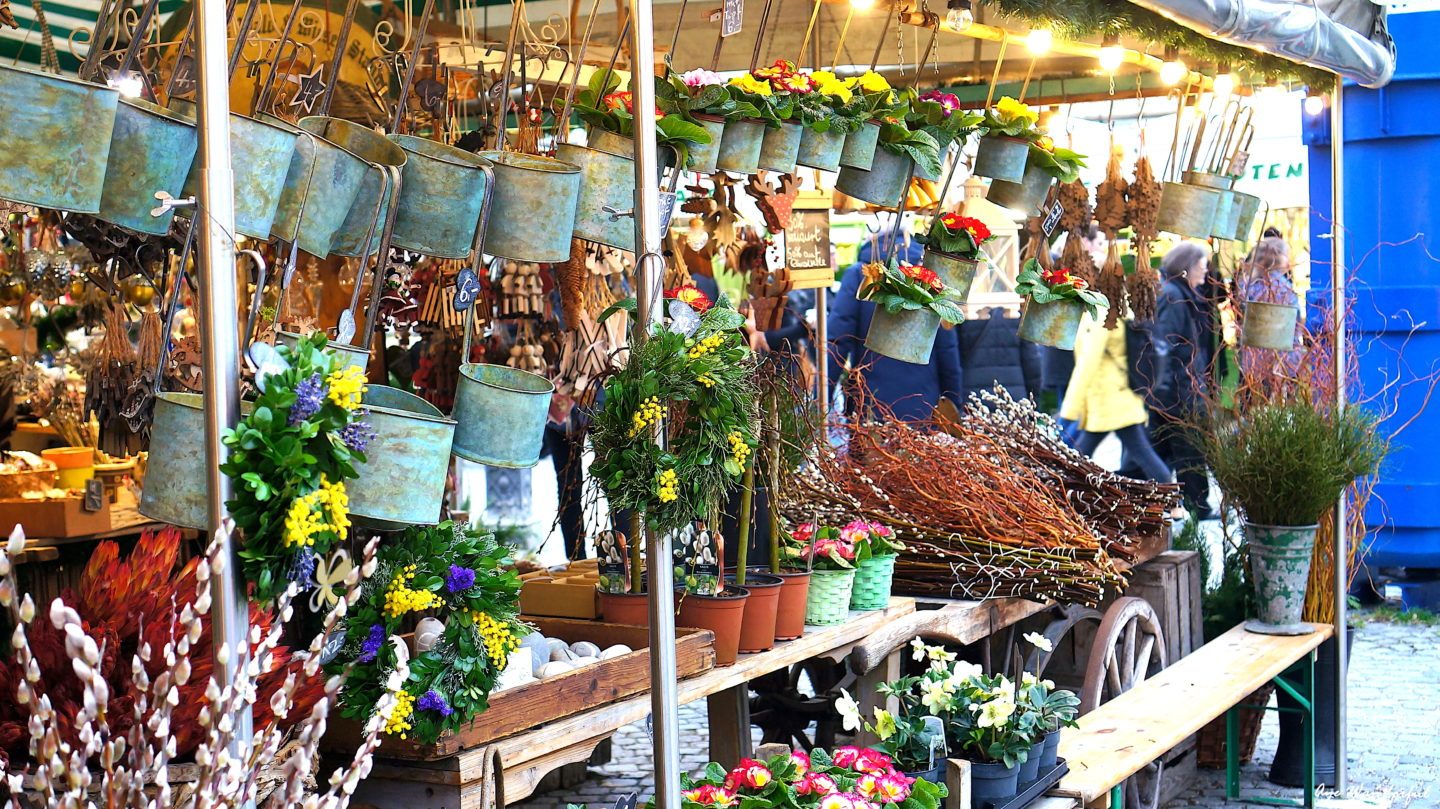
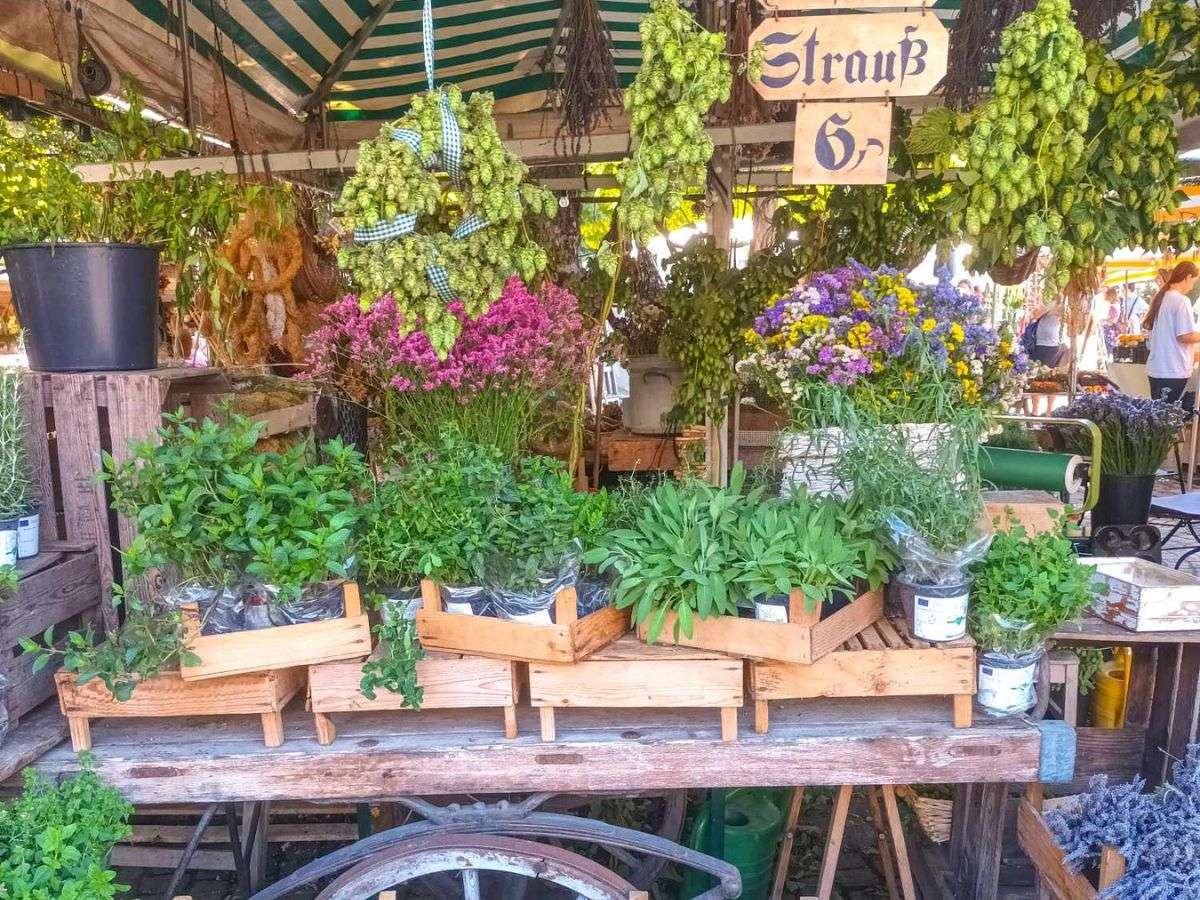
Capture the vibrant floral displays from this street-level vantage point where the market meets the city bustle. This spot is perfect for those seeking to capture the color-rich environment found on many a Munich gourmet tour.
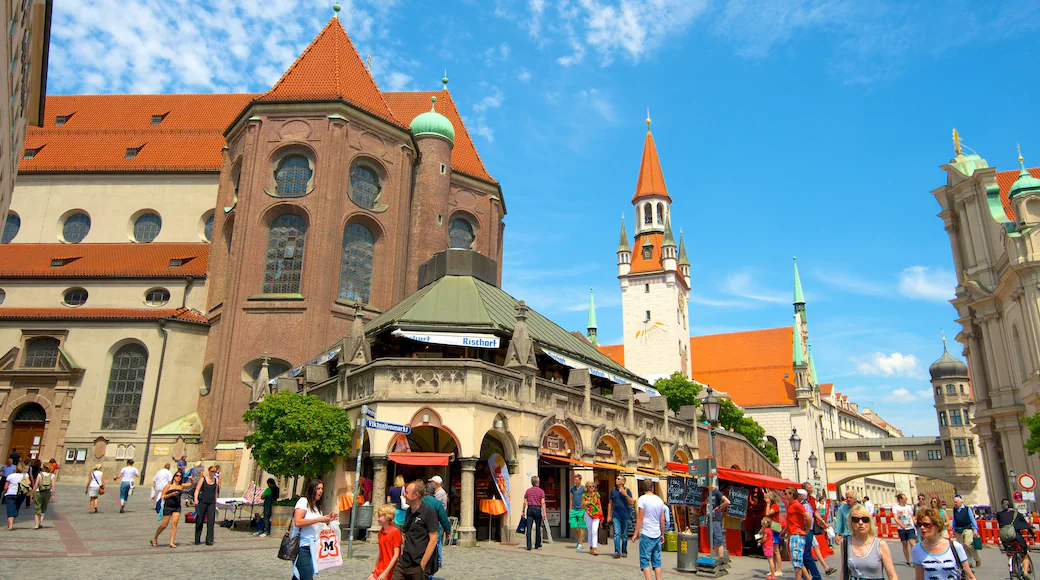
From the south side, aim your lens toward the ornate facade of the nearby Schrannenhalle to frame the market activity against historic masonry. This perspective emphasizes the scale of the area, making it a favorite for those booking viktualienmarkt food tour tickets.
The best way to experience local culinary traditions is through a Viktualienmarkt food tour, which invites you to sample regional delicacies directly from the source near our Viktualienmarkt 3 address. Beyond the iconic beer garden, the surrounding lanes offer an array of artisan butcher shops and specialized food stalls that define the authentic taste of Munich.
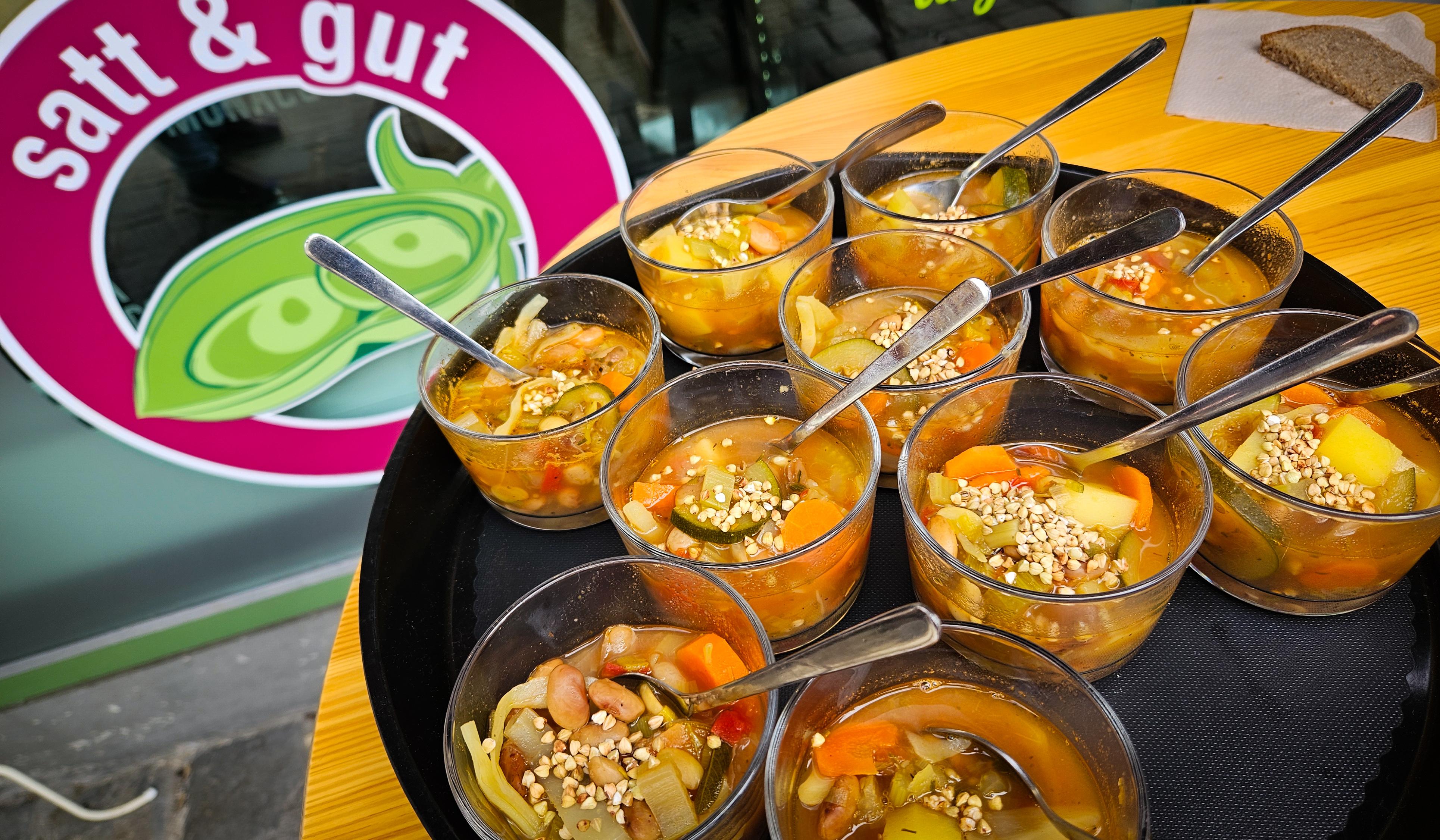
Specializes in traditional, hearty Bavarian soups and stews, perfect for a warming lunch stop.
A local favorite for fresh fish sandwiches and high-quality seafood dishes served in an open-air setting.
Famous for creative, gourmet baked potato variations that provide a satisfying and affordable quick meal.
The central heart of the market where visitors enjoy rotating local brews under shaded chestnut trees in a classic communal atmosphere.
Renowned for serving fresh, traditional Bavarian pastries like Schmalznudel that are essential for any morning food tour.
Real experiences from real travelers
Our guide met us by the maypole at ten in the morning, before the July heat got heavy, and we ate our way through nine stops without ever feeling rushed. The obatzda with a warm pretzel was the thing I still think about, though the horseradish on the smoked fish woke me up completely. Booking the viktualienmarkt food tour ahead was worth it since the morning slots fill up.
I have lived in Munich for eleven years and still found stalls I had walked past a hundred times. The guide explained why the Weisswurst tradition ends at noon and then made sure we actually tried one before the clock ran out. Genuinely good value for a Münchner Markt Tour.
The tastings were generous and varied, from white asparagus in season to a very serious slice of Leberkäse. My only note is that the group was fourteen people, which made it hard to hear the guide near the busy fish stalls. Still, the viktualienmarkt food tour tickets were reasonably priced for the amount of food.
It drizzled the whole morning and it made almost no difference because so much of the market sits under awnings. We huddled under a canopy eating soft pretzels with butter while our guide talked about how the market moved here from Marienplatz. My husband bought two jars of Bavarian sweet mustard afterwards and they survived the flight home.
What I appreciated most was the context — our guide explained the difference between Weisswurst, Bratwurst, and Leberkäse before we tasted each. The beer garden stop under the chestnut trees, with a Radler in the shade, was the highlight of a warm afternoon. This Munich market walking tour gave me a much better sense of how people here actually shop.
We did this in February and there were fewer crowds, which meant more conversation with the vendors. Hot Glühwein at the second stop and a warm slice of Schmalznudel made the cold completely manageable. The maypole and the Alter Peter tower looked especially good in the flat winter light.
Skip breakfast. Between the cheese wheel stall, the smoked fish counter, and the final dessert stop, I counted at least eight substantial tastings. The Viktualienmarkt Feinschmecker Tour is one of the better food experiences I have done in Europe.
We started at nine and finished just after noon, and the market was fully alive by then — flower buckets out, radishes being spiral-cut at the stand next to us. Our guide had clear relationships with the vendors, which meant extra samples and better stories. If you only do one Munich landmarks outing that involves eating, make it this one.
Very good food and a knowledgeable guide who spoke excellent English and Italian. It ran closer to three and a half hours than the three advertised, so wear comfortable shoes. The Bavarian cheese and cured meat stop alone justified the price.
I emailed ahead and they arranged alternatives at every meat stop — pumpkin seed oil bread, spätzle with cheese, seasonal asparagus. Comparing viktualienmarkt food tour tours before booking, this was the only one that confirmed dietary swaps in writing. The stall vendors were warm even at their busiest.
Everything you need to know for your journey
The Viktualienmarkt is open Monday through Saturday from 08:00–20:00. It is closed on Sundays.
Yes, the market is level and accessible for wheelchairs and strollers. You can easily navigate the area during any viktualienmarkt food tour.
There are no specific security checks, but please avoid bringing large bags that impede movement. Keep your belongings secure during your viktualienmarkt food tour.
Yes, you are welcome to take photos of the vendors and market scenery. Respect the privacy of others while on your viktualienmarkt food tour.
We recommend the 08:00–11:00 window to enjoy the freshest atmosphere and smallest crowds. This ensures the best experience for your viktualienmarkt food tour.
No, there is no official dress code. Wear comfortable shoes as you will be standing and walking during your viktualienmarkt food tour.
Yes, you can bring personal items, but the market is designed for sampling fresh food. Enjoy local delicacies during your viktualienmarkt food tour.
Take the U-Bahn or S-Bahn to Marienplatz. It is a short walk from there to reach your viktualienmarkt food tour location at Viktualienmarkt 3.
Yes, children are welcome. It is a family-friendly environment for a viktualienmarkt food tour.
Entry to the market is 0 EUR (Free entry). Tour providers usually require 24 hours notice for cancellations of booked tours.
Yes, the market is within a short walk of Marienplatz and St. Peter's Church. Combine these for a full day of sightseeing after your viktualienmarkt food tour.
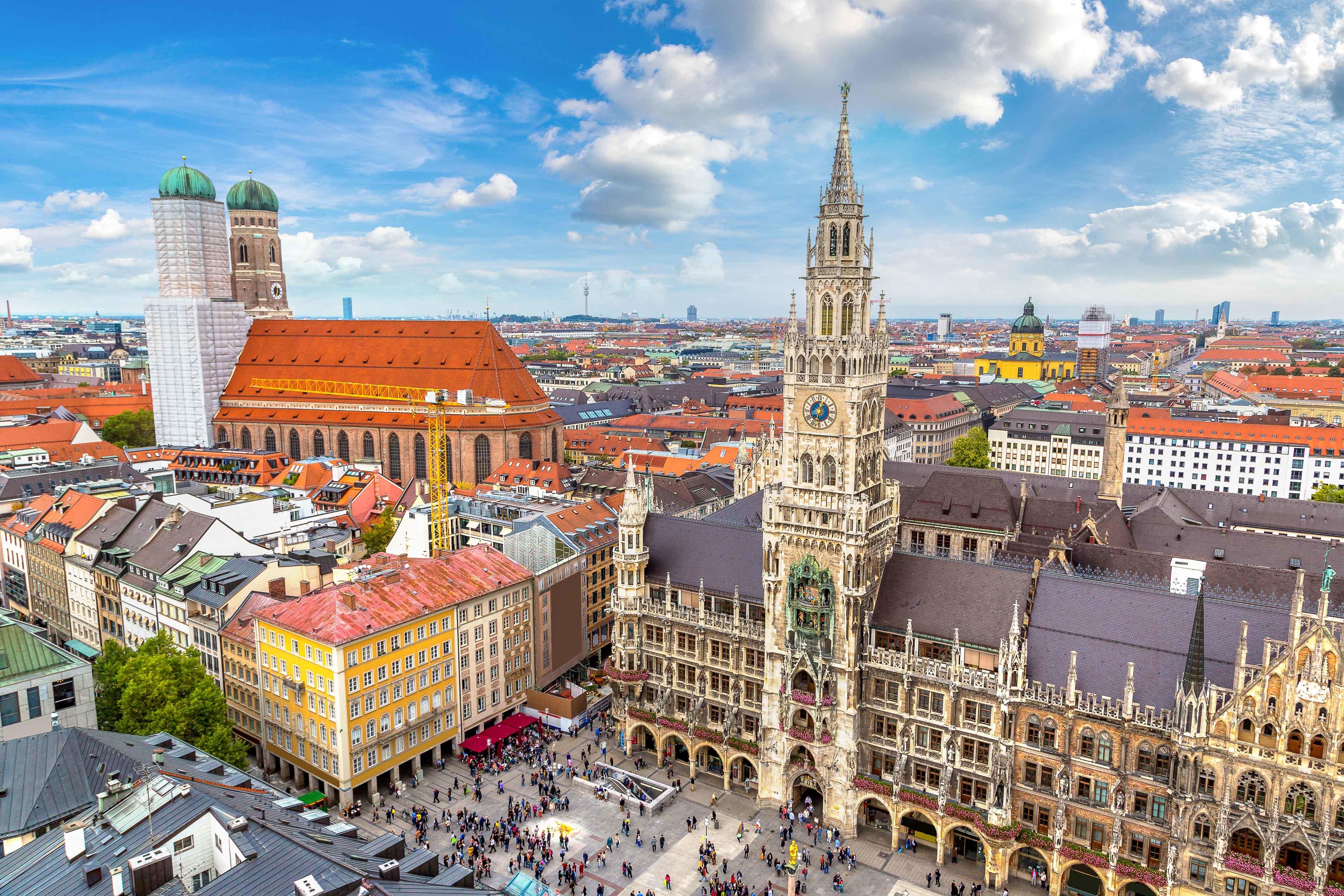
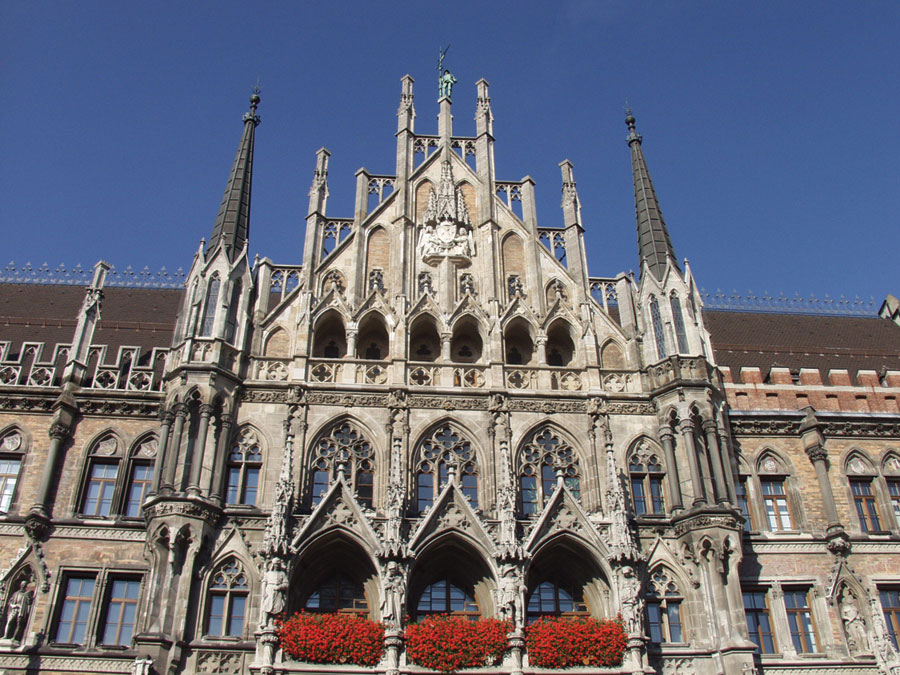
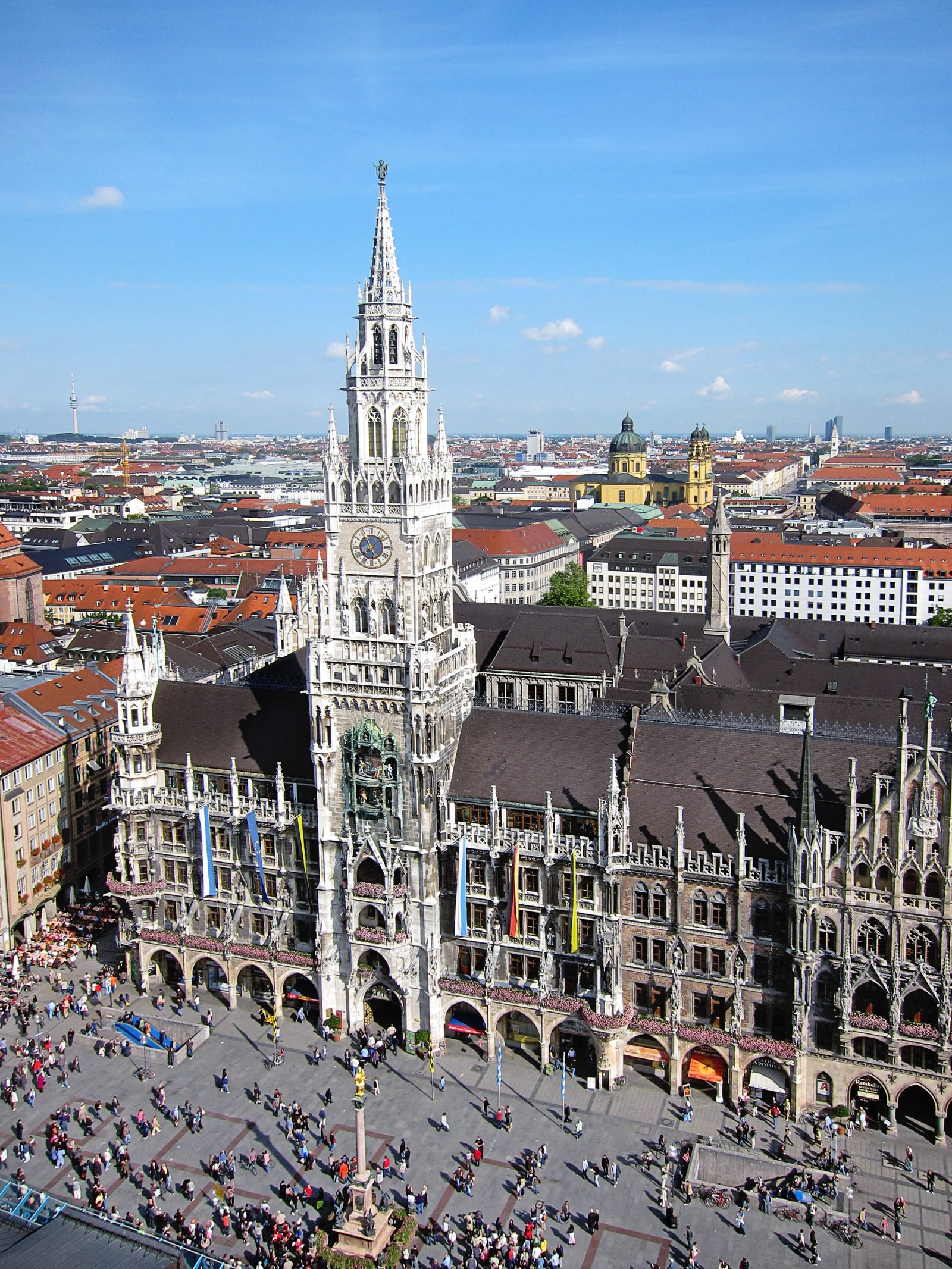
The central square featuring the New Town Hall and Glockenspiel. It serves as the historic heart of the city.
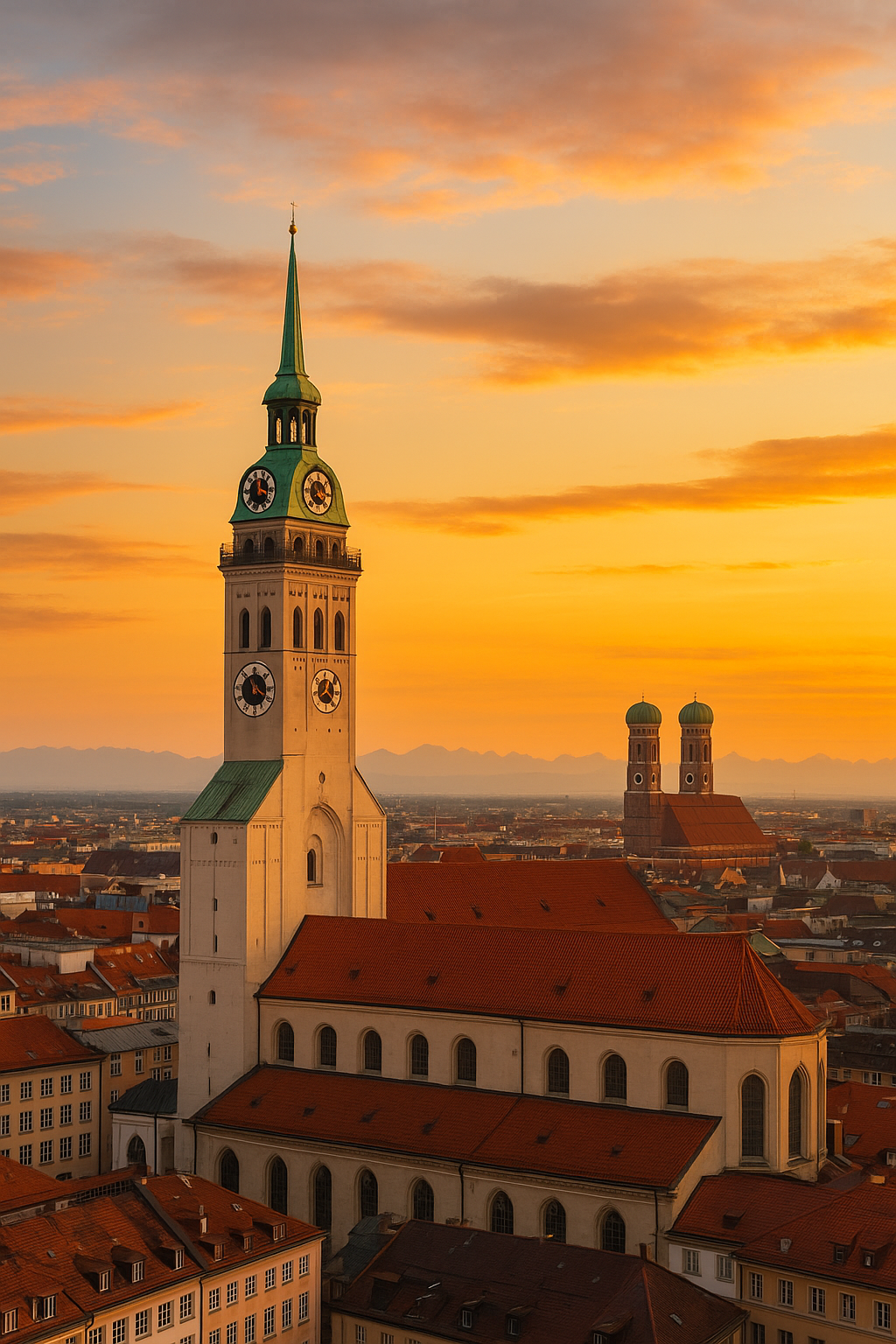
Known locally as Alter Peter, it offers an observation deck with city views. Access is via a steep staircase.
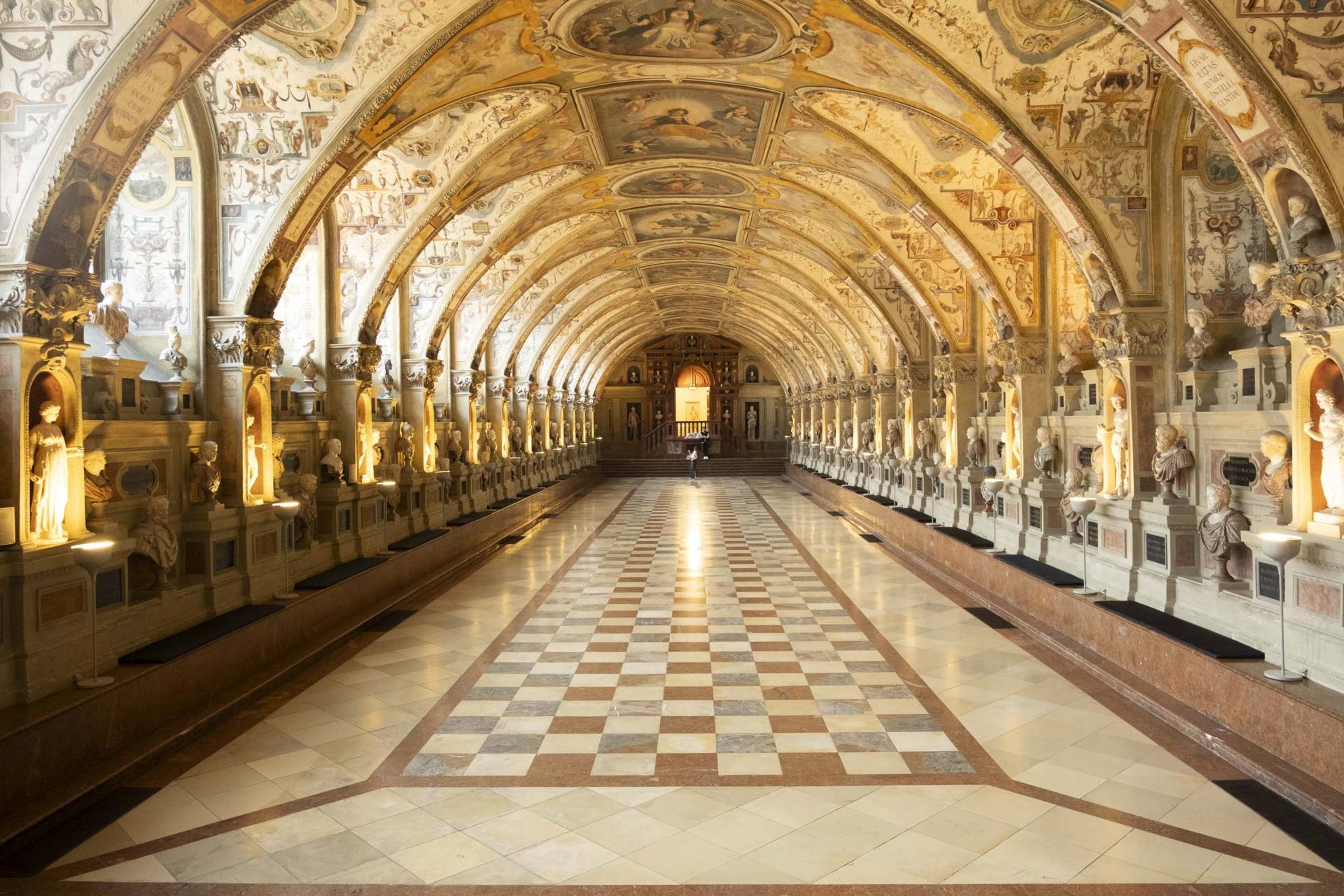
A former royal palace showcasing ornate rooms and treasury collections. It is a significant architectural landmark.
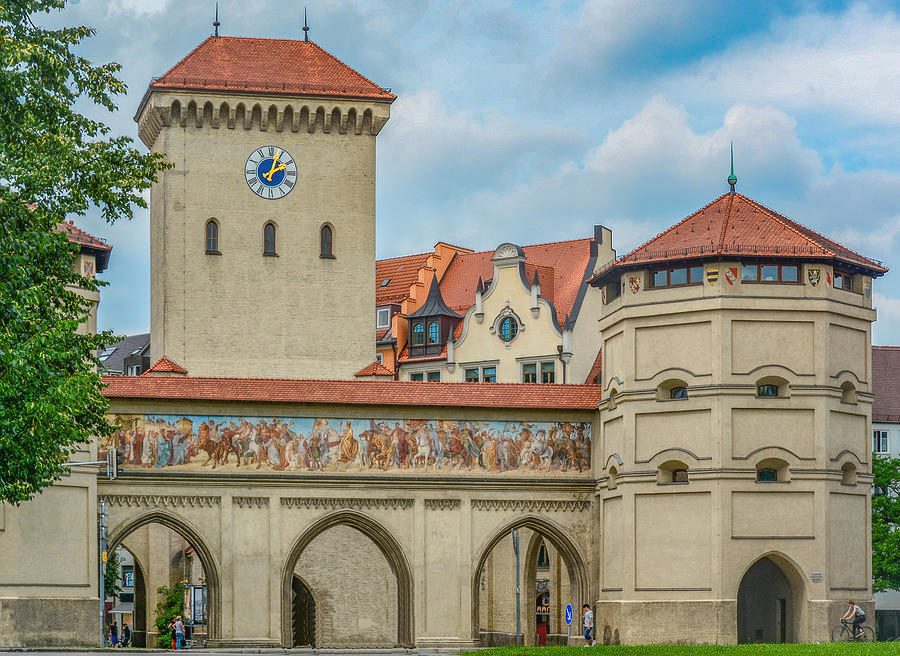
One of the original medieval city gates. It remains a historic entrance point to the old town.
Stay in the immediate vicinity to maximize your time at the market.
Five-star options located near the Maximilianstraße district.
Affordable lodging found within walking distance of the city center.
Join thousands of happy travelers who have discovered this incredible experience
Book Your Experience Now